
Artivia
Art Installations
Where creativity, craftsmanship, and material innovation converge to shape immersive artistic experiences. Every creation is thoughtfully developed to inspire emotion, enrich spaces, and establish meaningful visual connections through bespoke sculptures, murals, and architectural art that seamlessly integrates with its surroundings.
Overview
Artivia brings together the expressive power of sculptures and wall murals, transforming spaces into visually engaging and meaningful environments.
Our sculpture expertise spans diverse forms, materials, techniques, and styles—from free-standing and relief structures to creations in stone, metal, wood, resin, FRP, and glass. Whether through traditional methods like carving and casting or advanced digital and 3D techniques, each piece is crafted with precision and intent. Complementing this, our wall murals blend art and storytelling to enhance interiors and exteriors alike.
From figurative to abstract and large-scale installations, Artivia delivers customised artistic solutions that align with architectural vision, brand identity, and spatial experience, ensuring both aesthetic impact and structural reliability.
Sculptures By Form
Sculptural forms define how an artwork interacts with space, depth, and viewer perspective.
Each form is selected based on spatial requirements and visual intent.
Free-Standing Sculptures
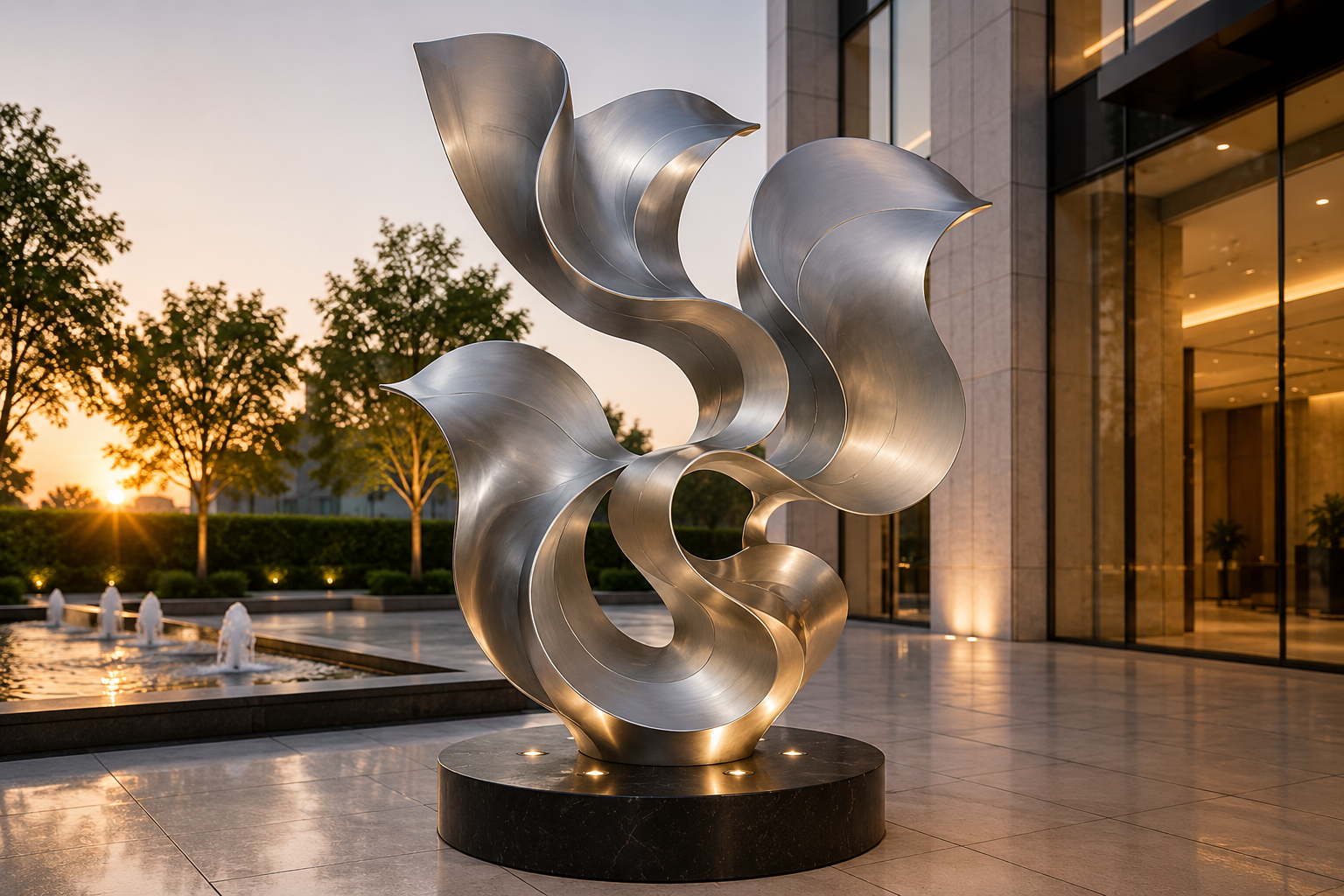
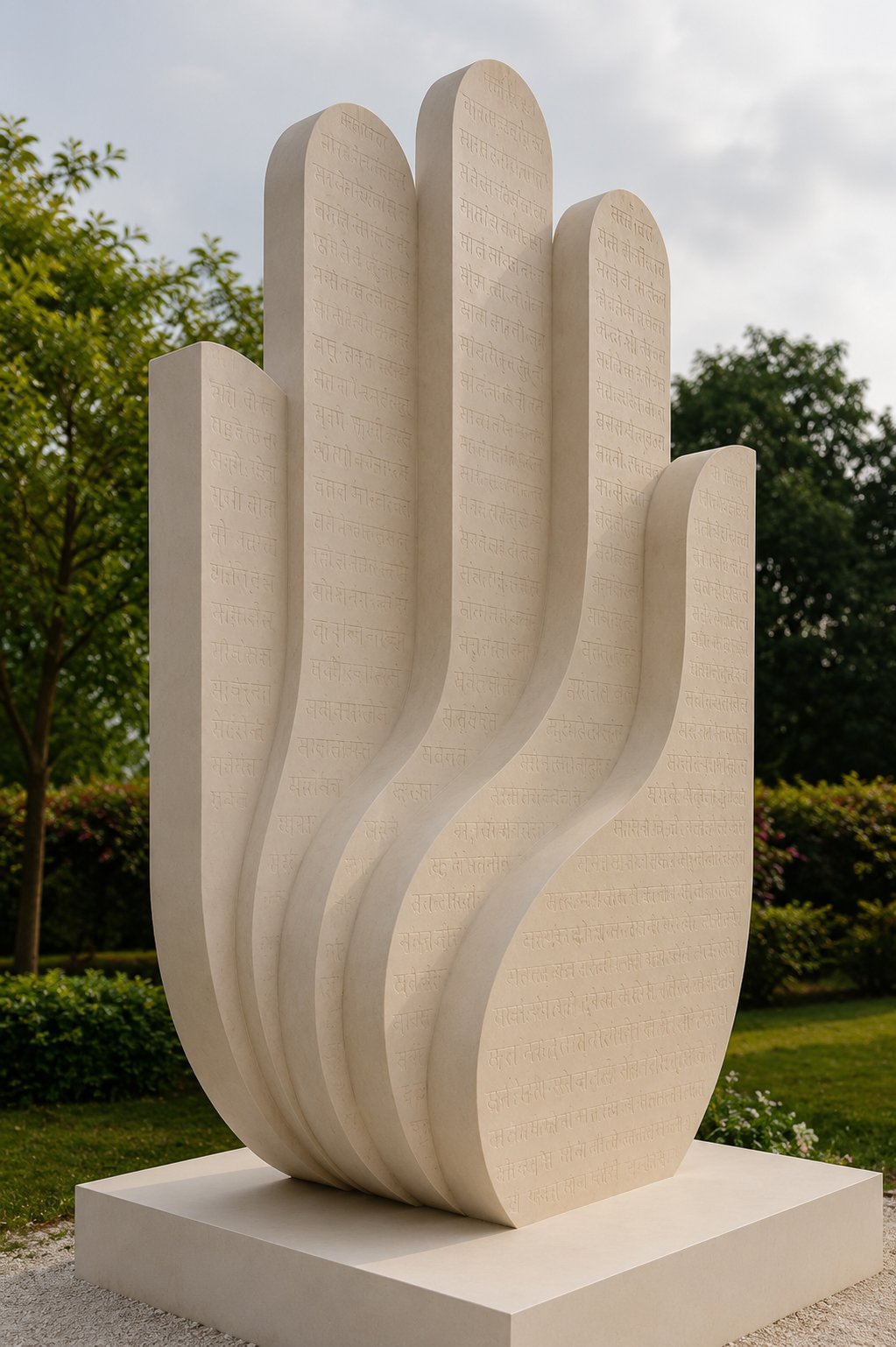
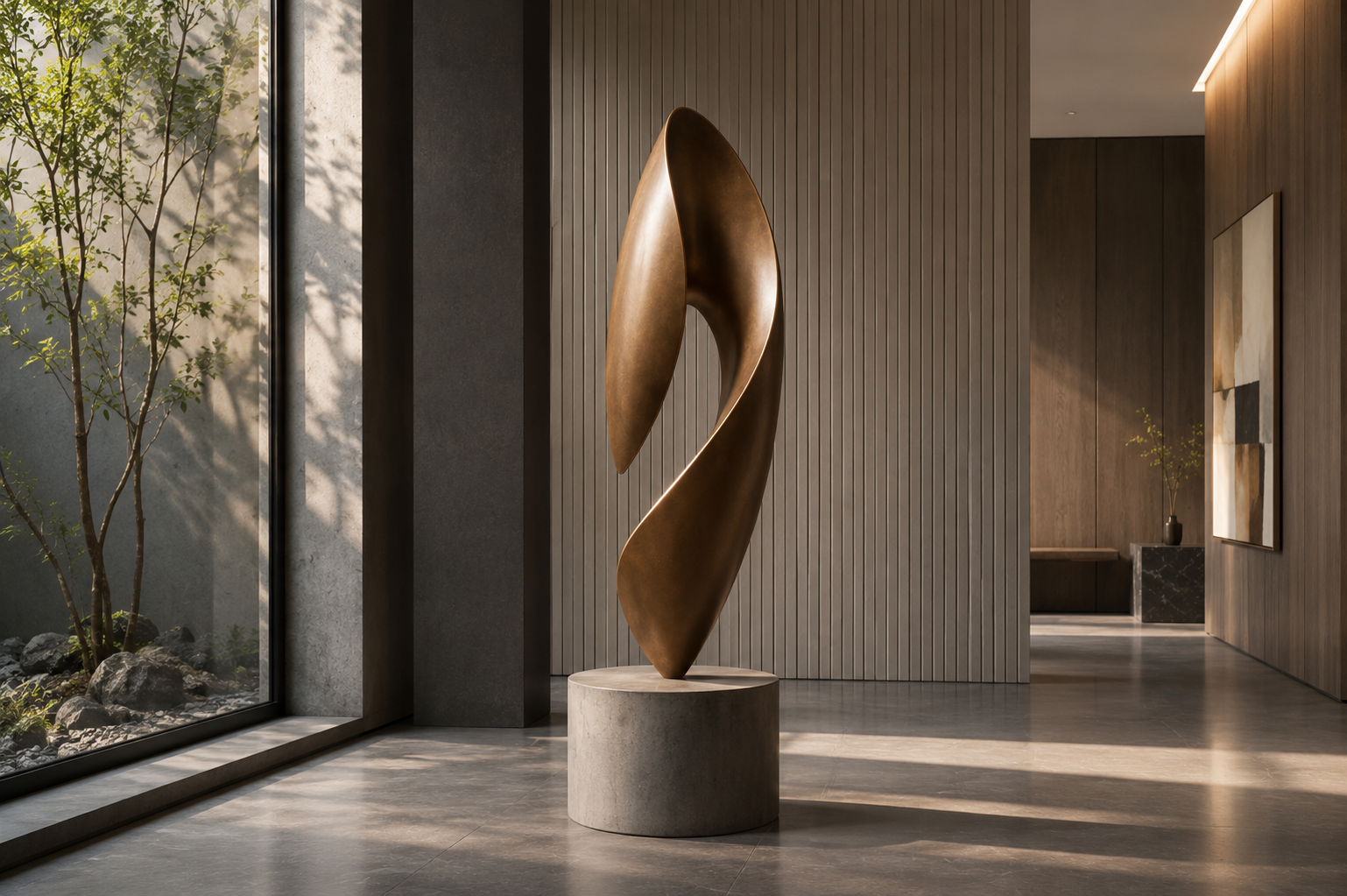
Designed to be viewed from all angles, these sculptures are placed independently within a space, allowing complete visual accessibility and creating a strong physical presence.
Relief Sculptures
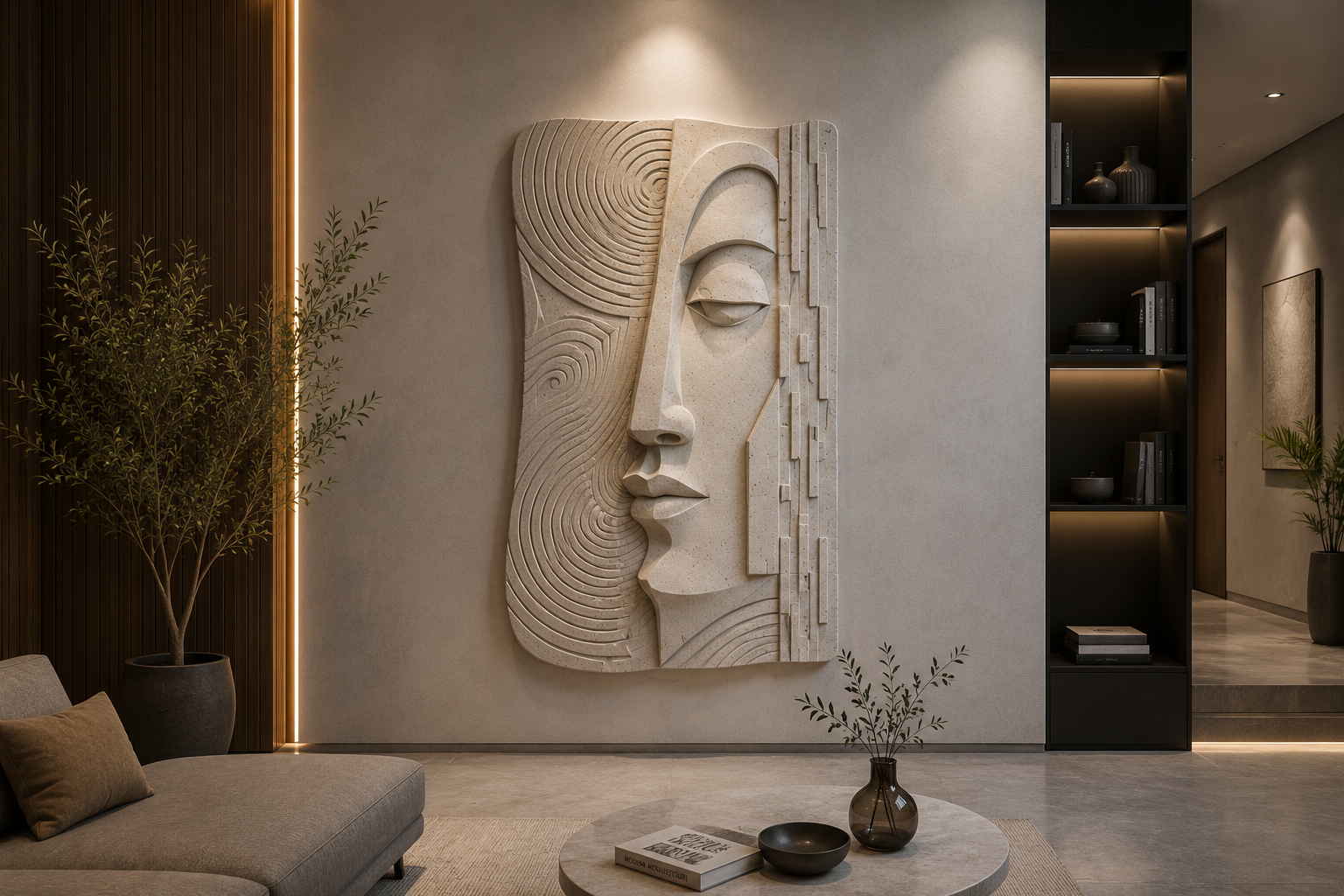
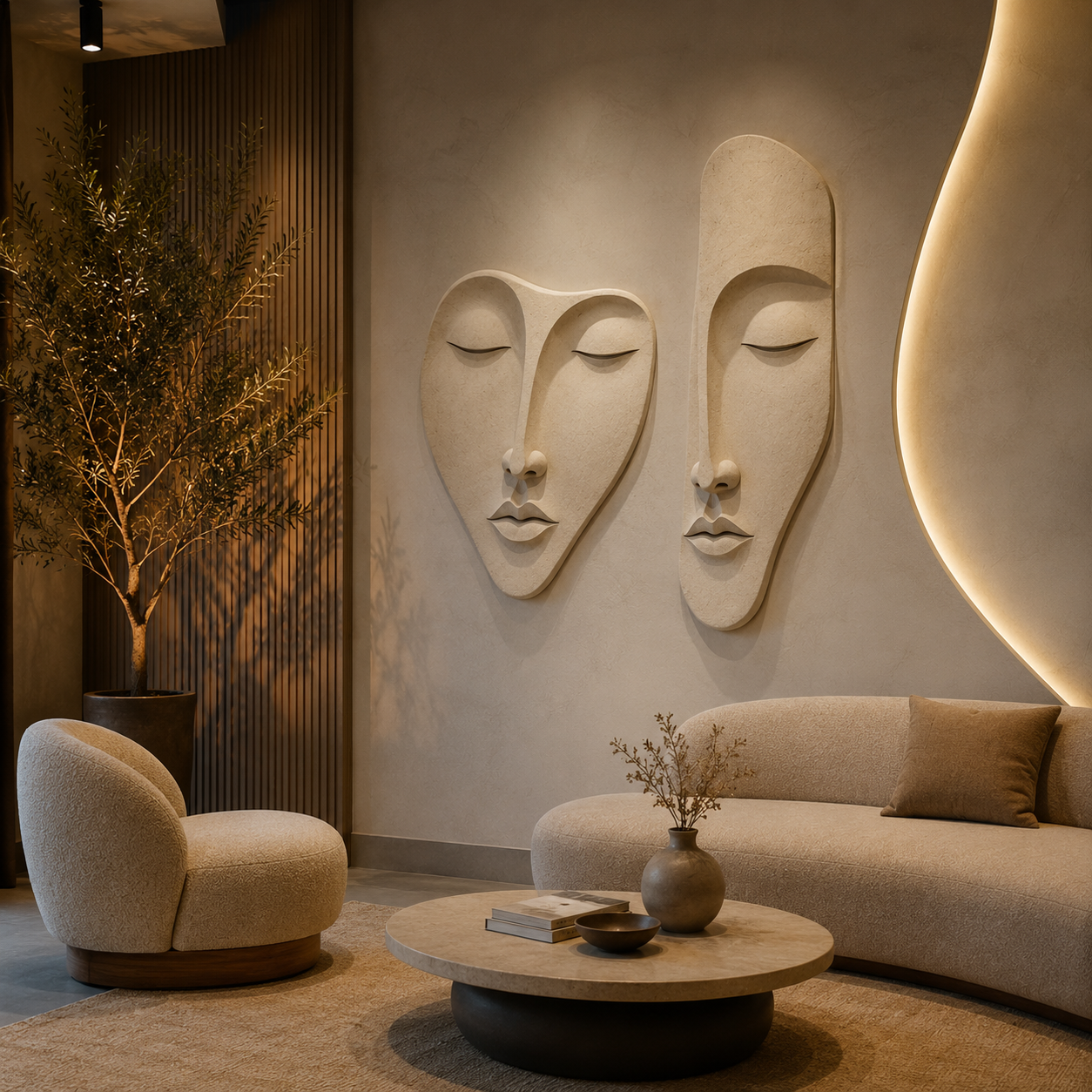
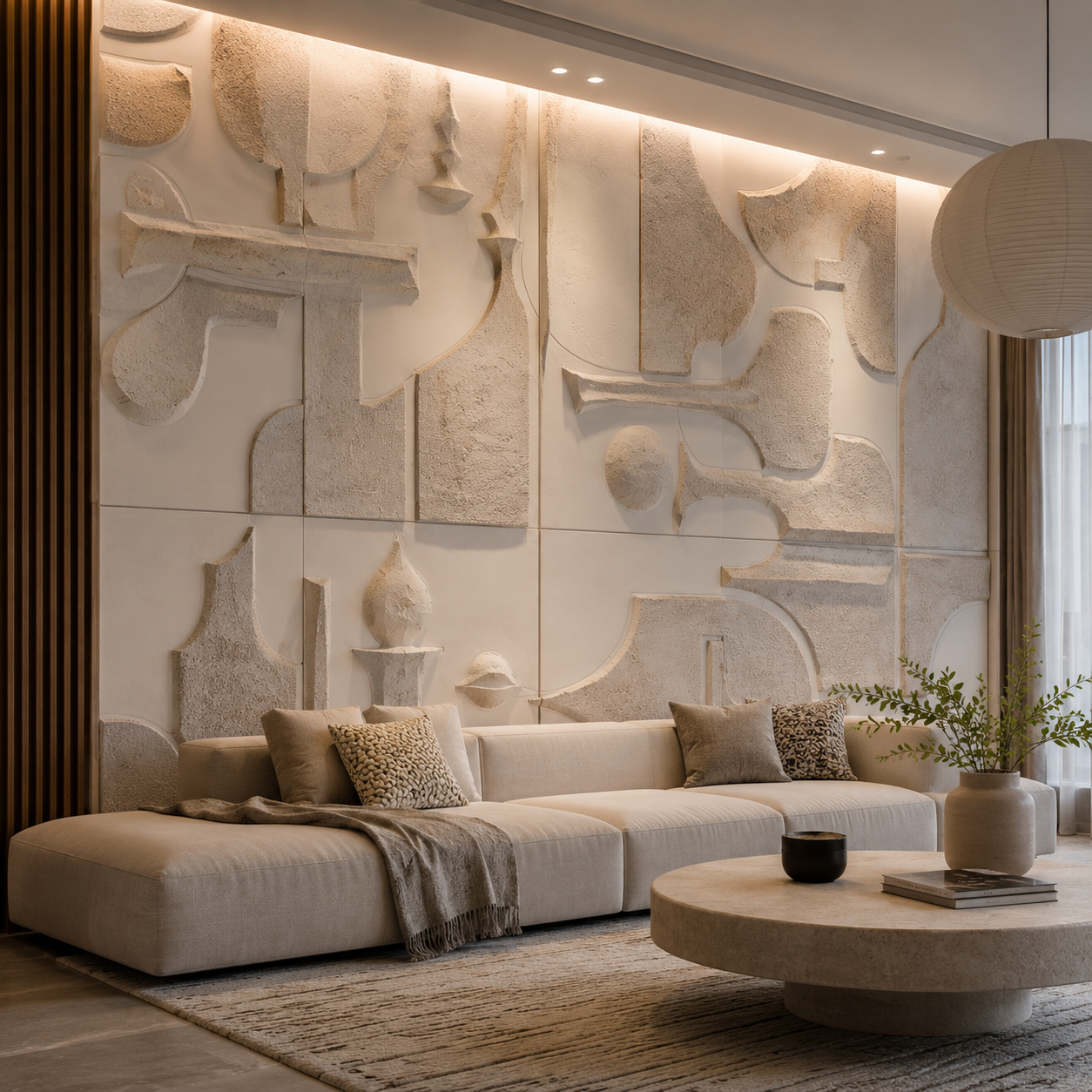
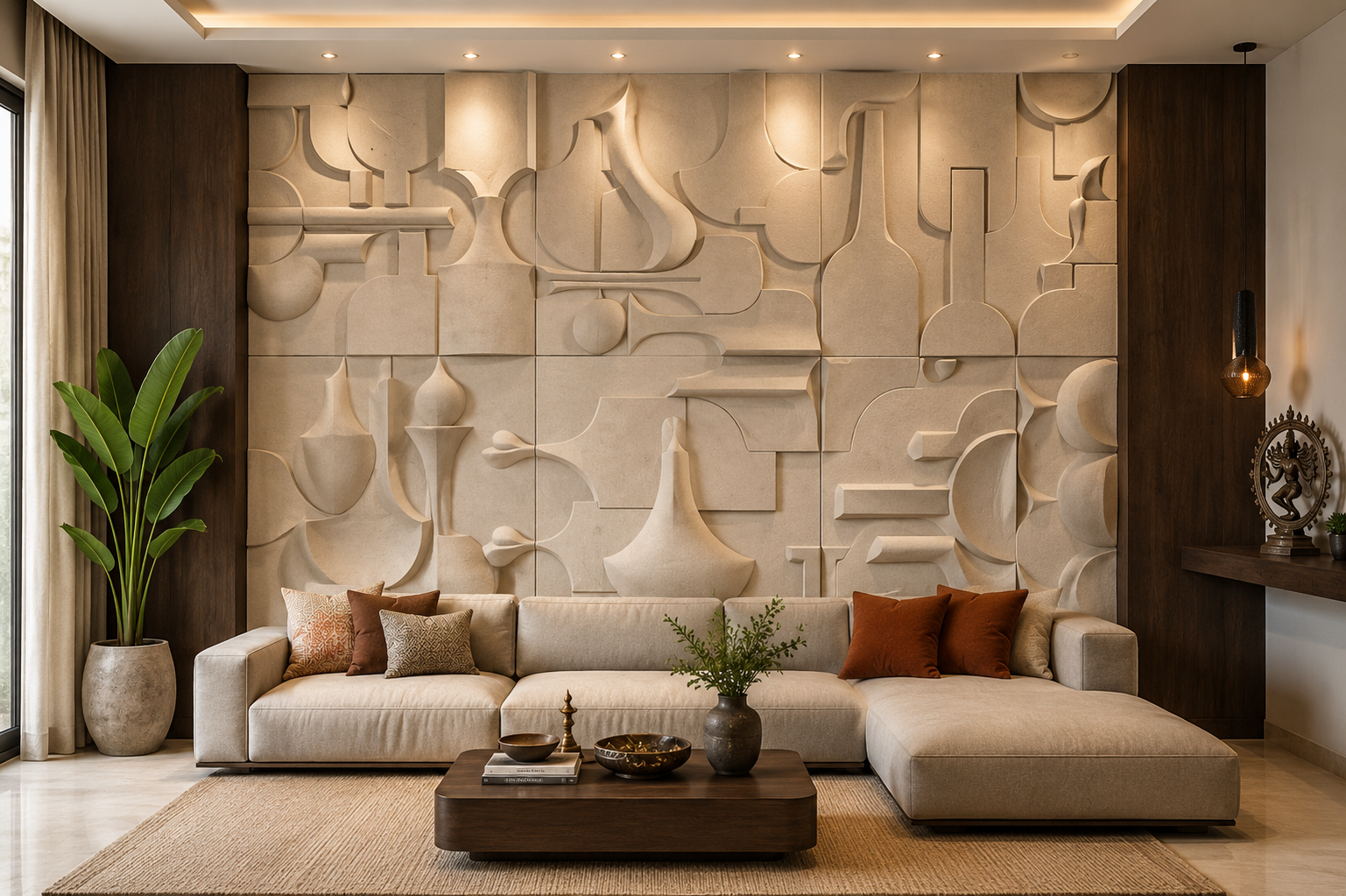
Integrated with a surface, these sculptures create depth by rising or receding from a flat background, making them ideal for walls and architectural elements.
Types of Relief Sculptures:
- Low Relief (Bas-Relief): Subtle, shallow carvings with minimal depth
- High Relief: Deeply carved forms with pronounced projection from the surface
- Sunken Relief: Designs carved into the surface, creating an inward visual effect
Sculptures By Material
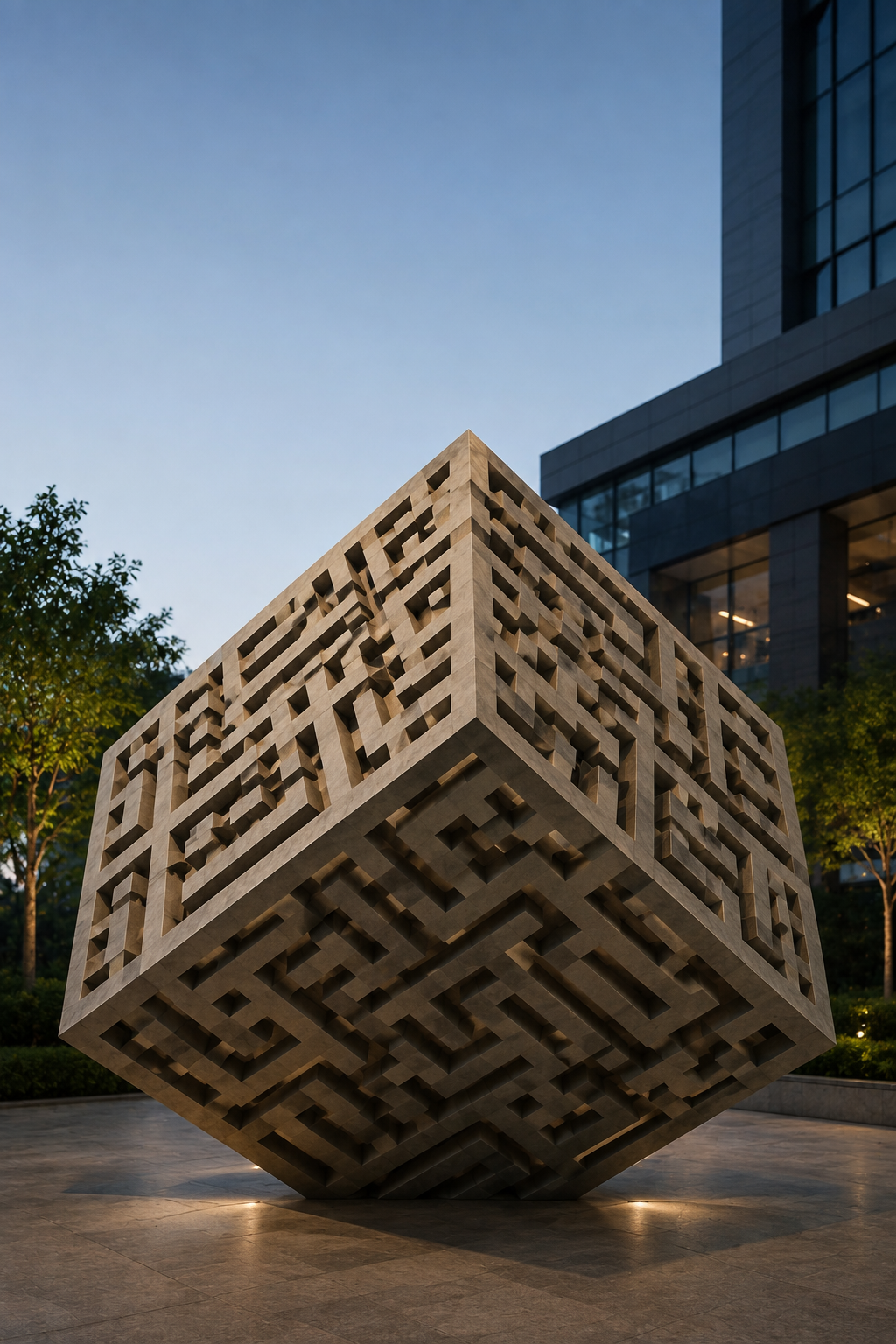
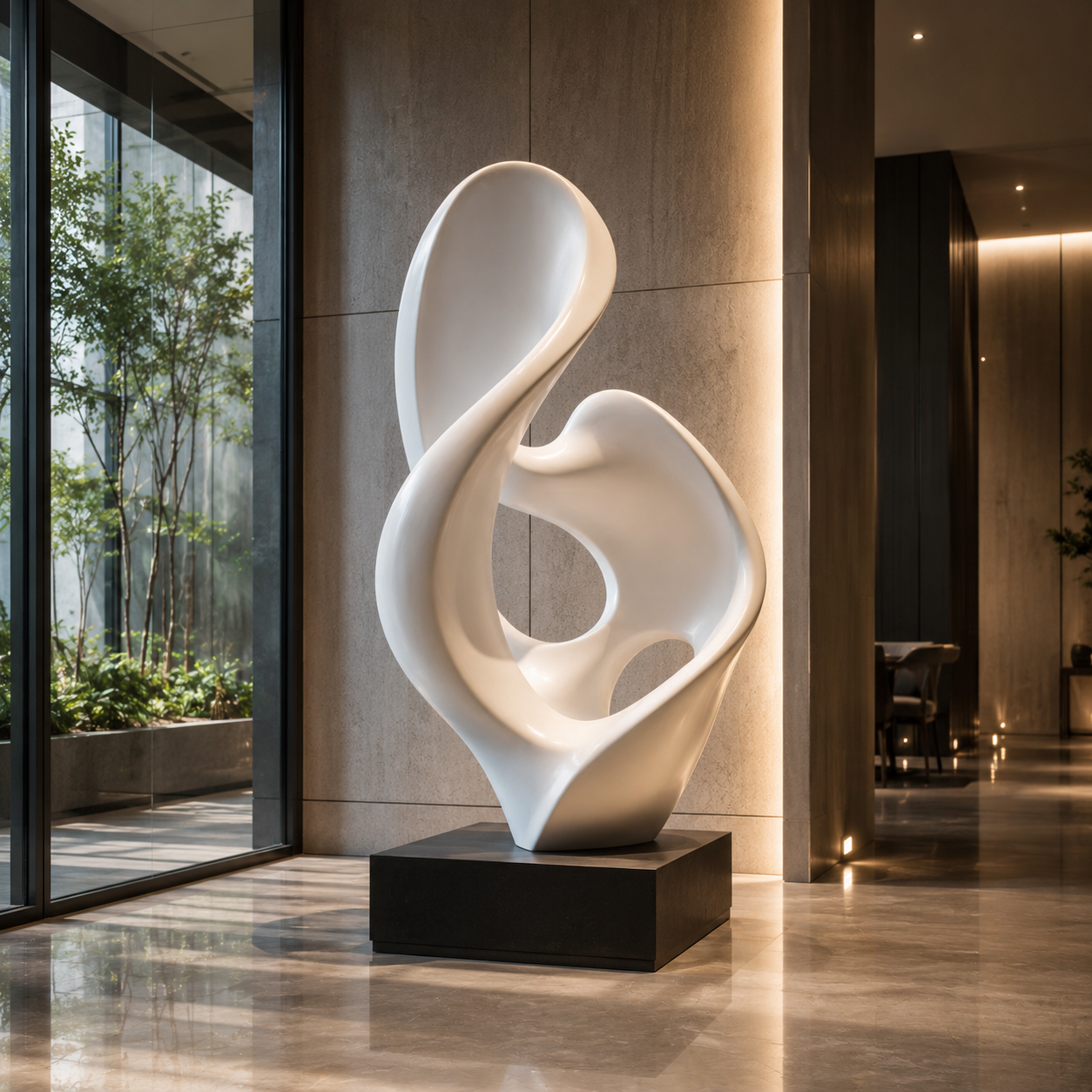
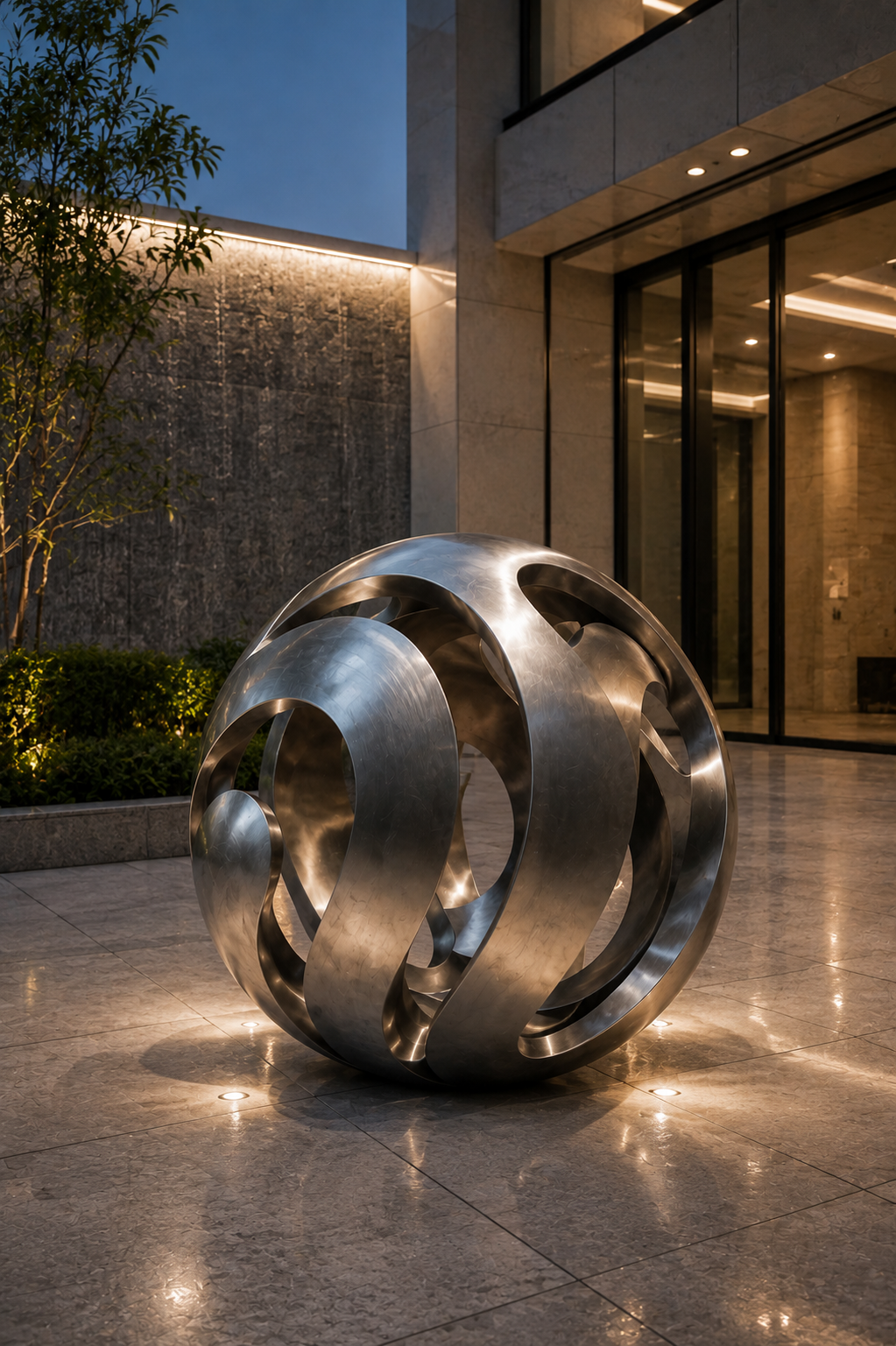
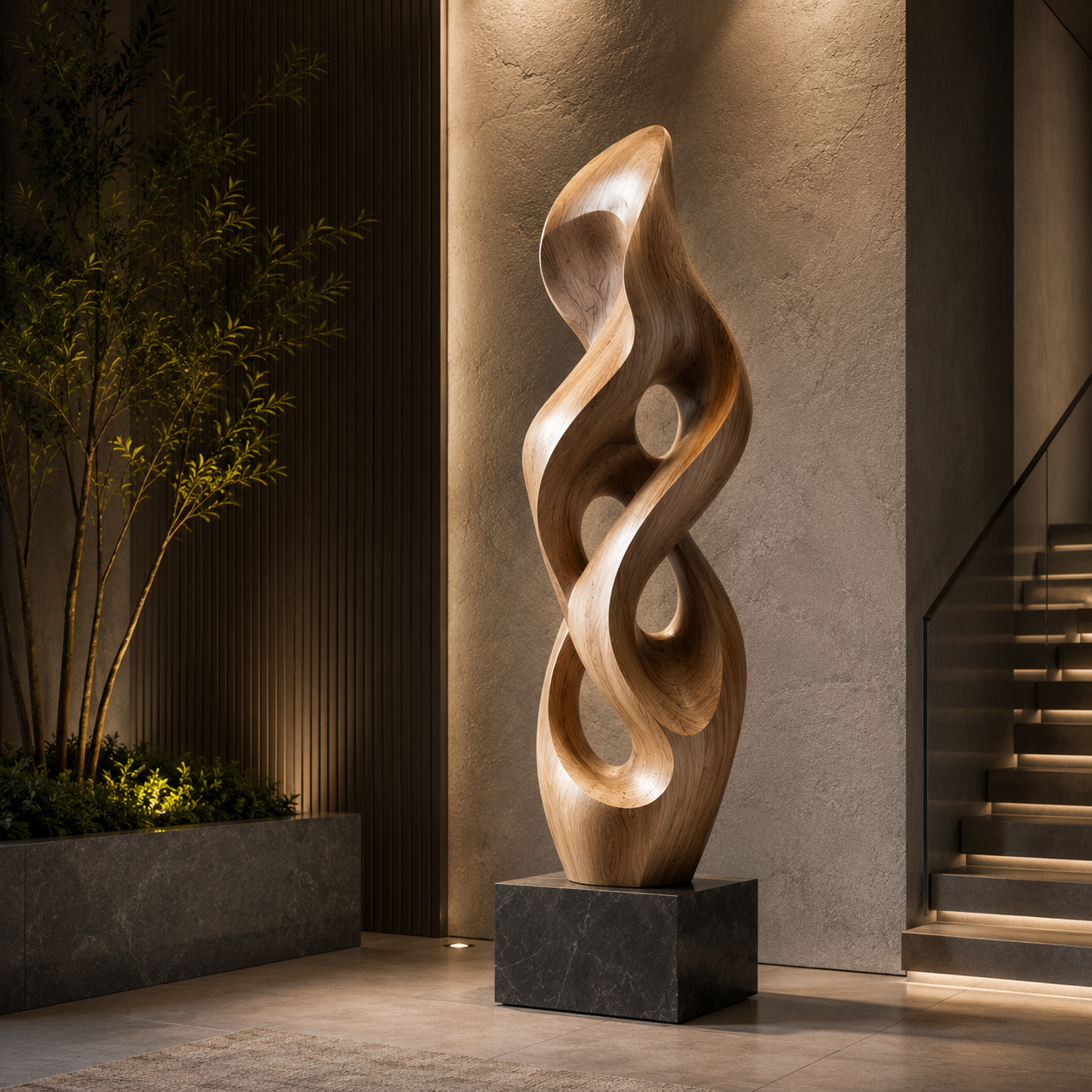
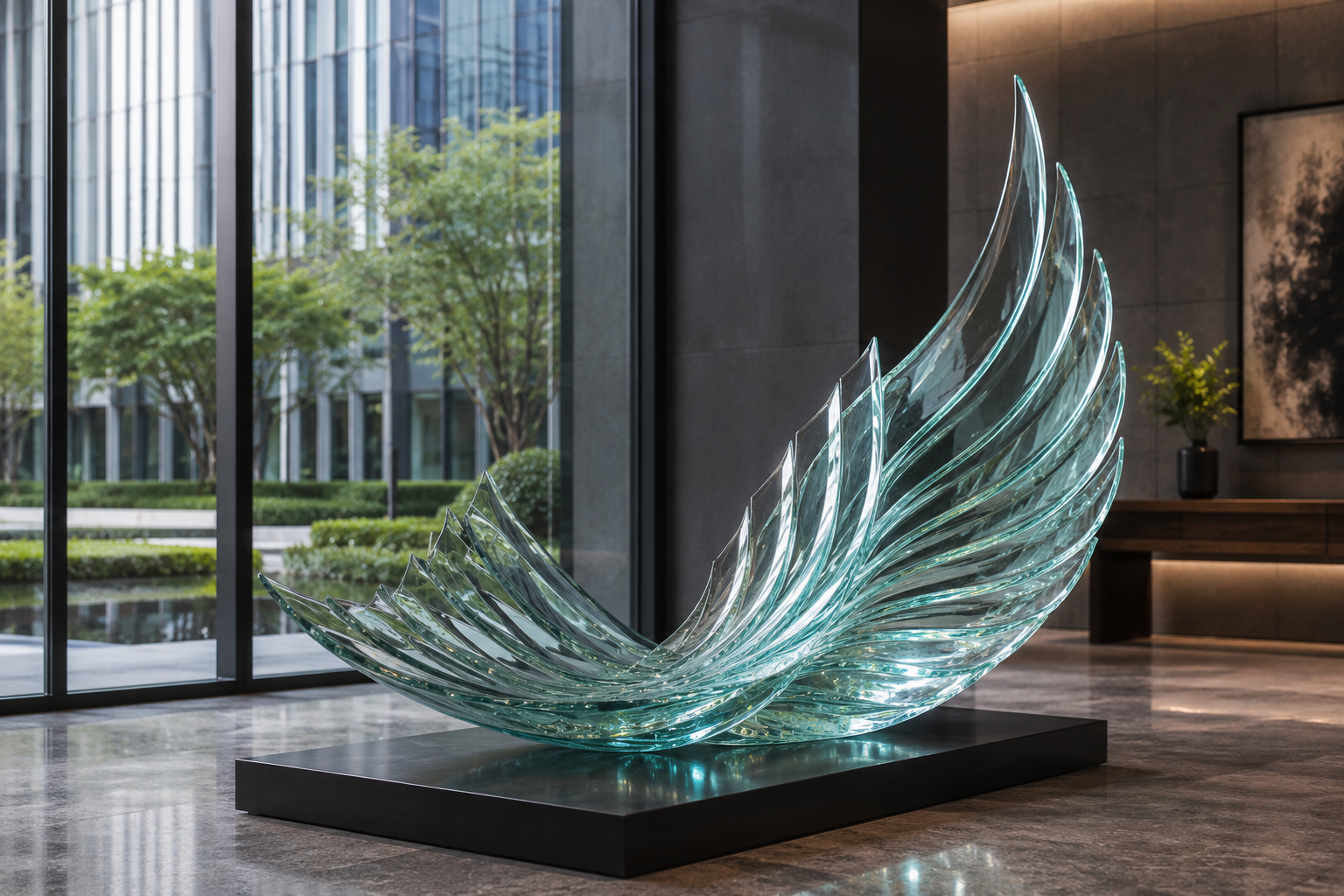
The essence of every sculpture lies in the material it is crafted from. Each material brings its own character, strength, and visual appeal, influencing both form and finish.
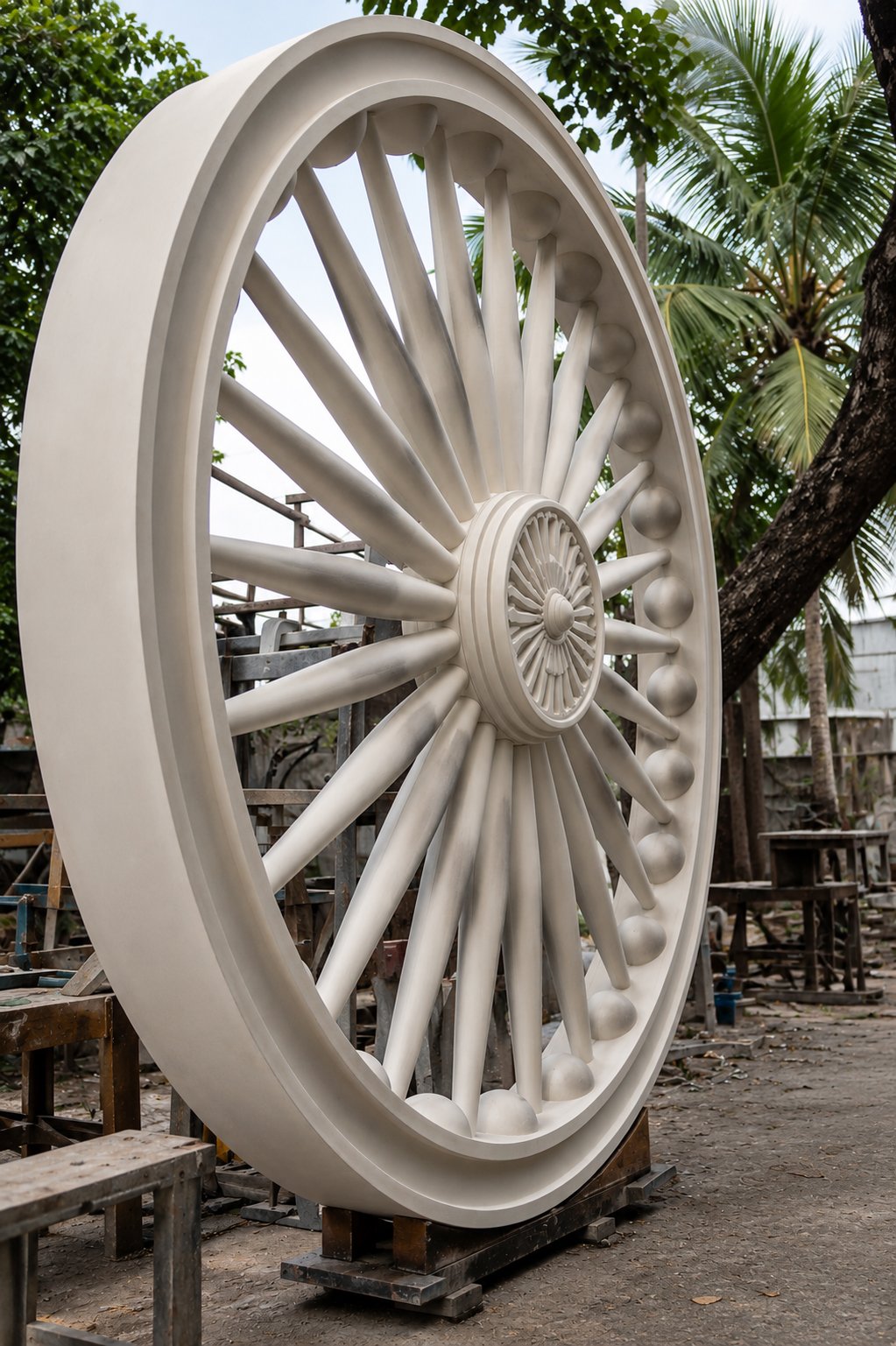
- Stone: Timeless, strong, and ideal for enduring structures
- Metal: Sleek, durable, and suitable for modern and large-scale applications
- Wood: Offers organic warmth, natural texture, and artistic depth
- Clay / Terracotta: Highly flexible, perfect for detailed modeling and traditional forms
- Resin: Enables delicate detailing with smooth and refined finishes
- FRP (Fiber Reinforced Plastic): Lightweight, corrosion-resistant, and ideal for complex structures
- Glass: Clear, elegant, and adds a refined, contemporary aesthetic
Each material is selected based on the project’s design intent, durability requirements, and environmental conditions, ensuring a balance of aesthetics and performance.
Sculptures By Technique
The technique defines how a concept evolves into a finished sculpture, combining craftsmanship with precision execution. At Aptech, we utilise a range of methods to suit different materials, designs, and project requirements:
- Carving: Removing material to shape the final form with precision and detail.
- Modeling: Shaping flexible materials like clay or wax to develop forms organically.
- Casting: Creating forms by pouring liquid material such as metal or plaster into moulds.
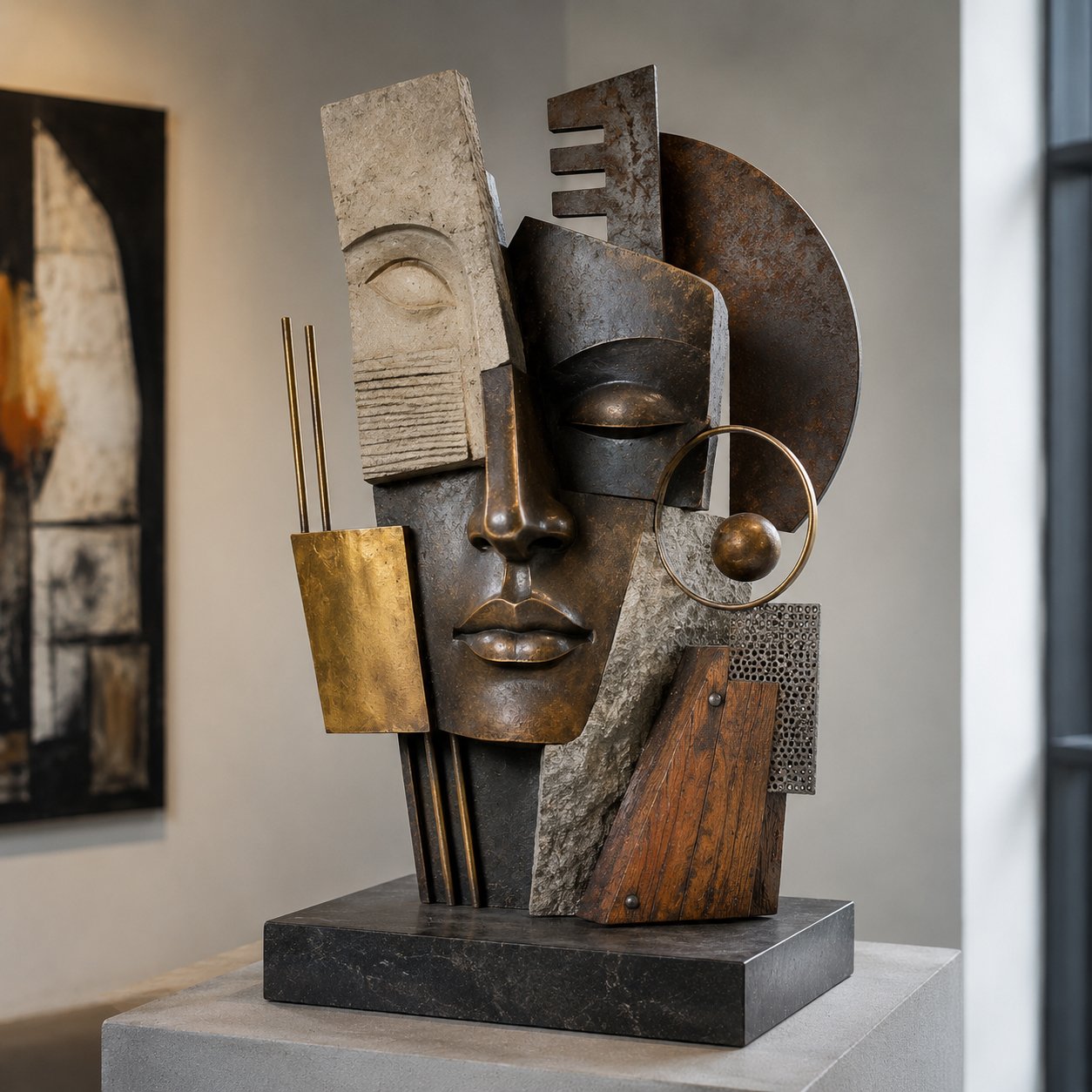
- Assemblage: Combining multiple elements or materials to build a unified artwork.
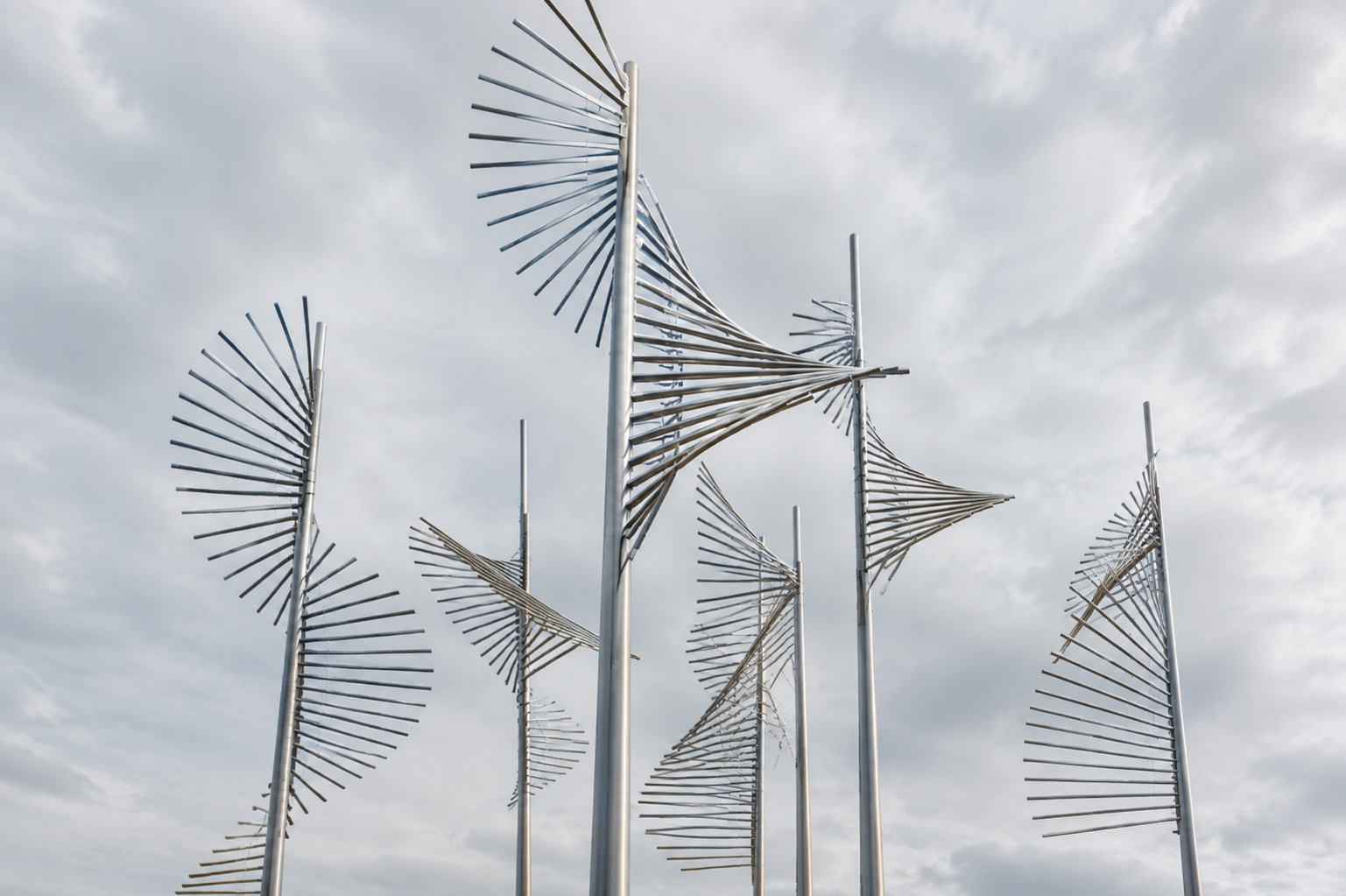
- Kinetic Sculpture: Designing structures that incorporate movement through wind, water, or mechanical systems.
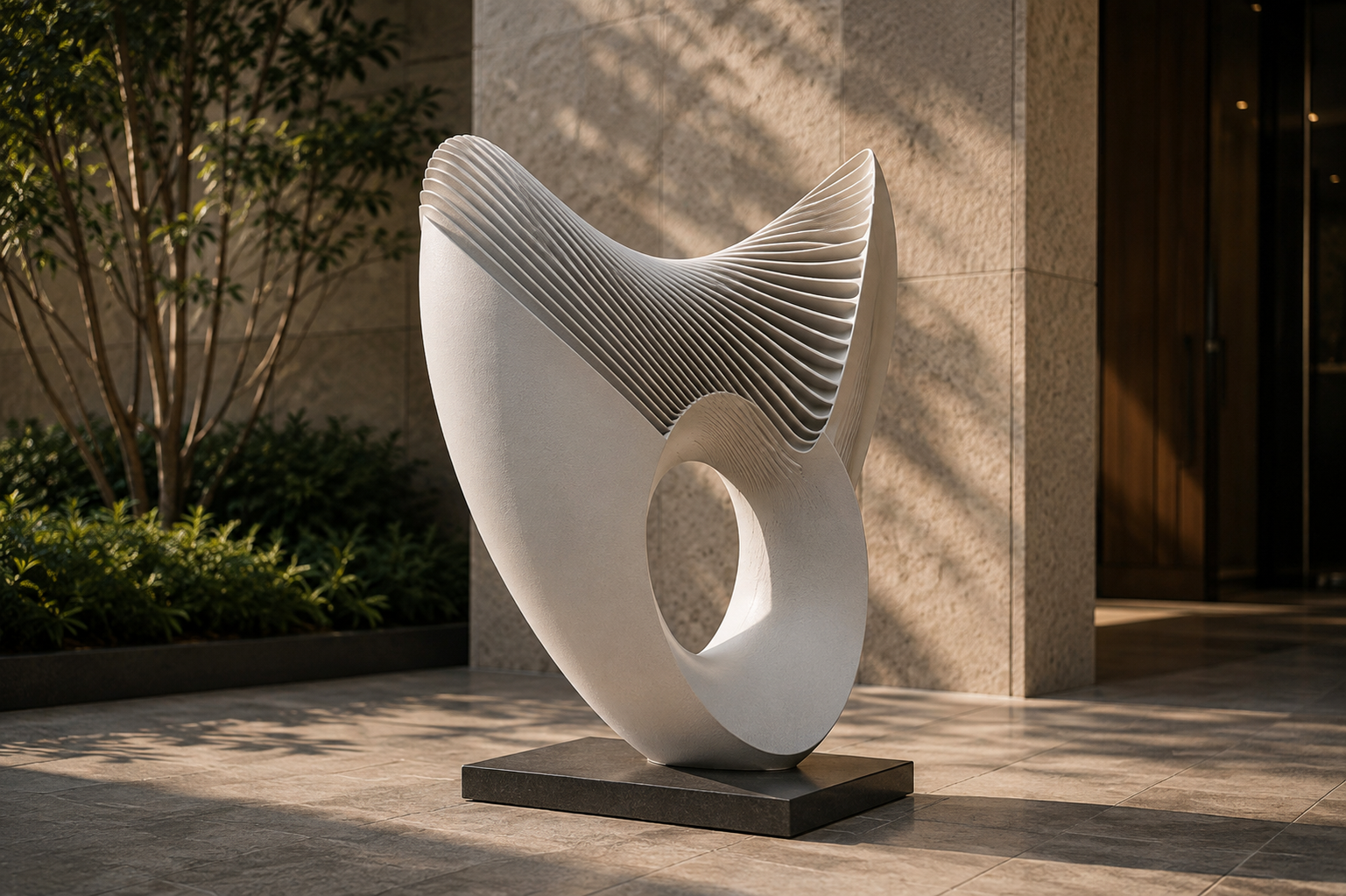
- Digital / 3D Printed Sculpture: Using advanced computer modelling and 3D printing for complex, high-precision forms.
Each technique is selected based on the design intent, material suitability, and execution requirements, ensuring a balance of creativity and structural integrity.
Sculptures By Style
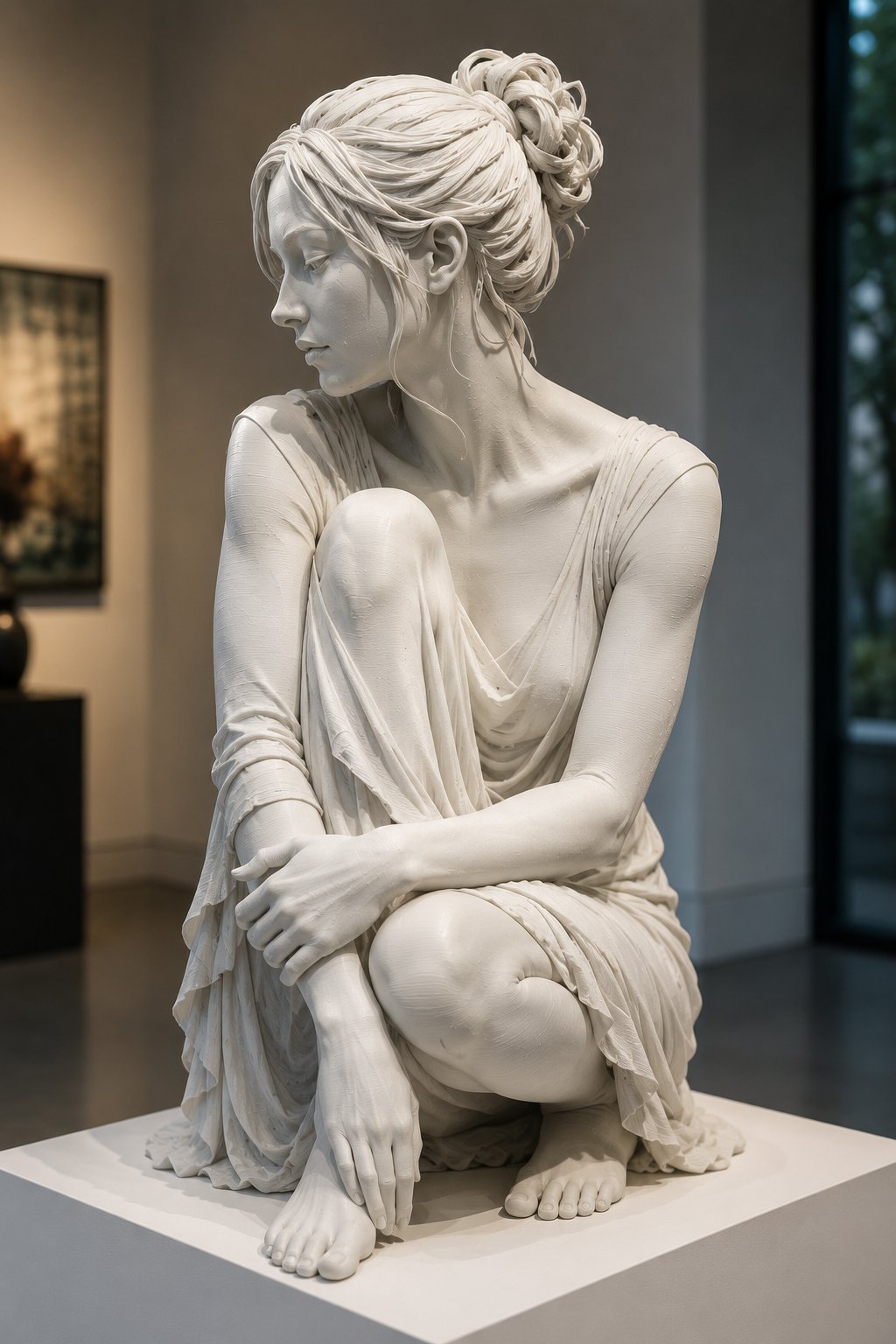
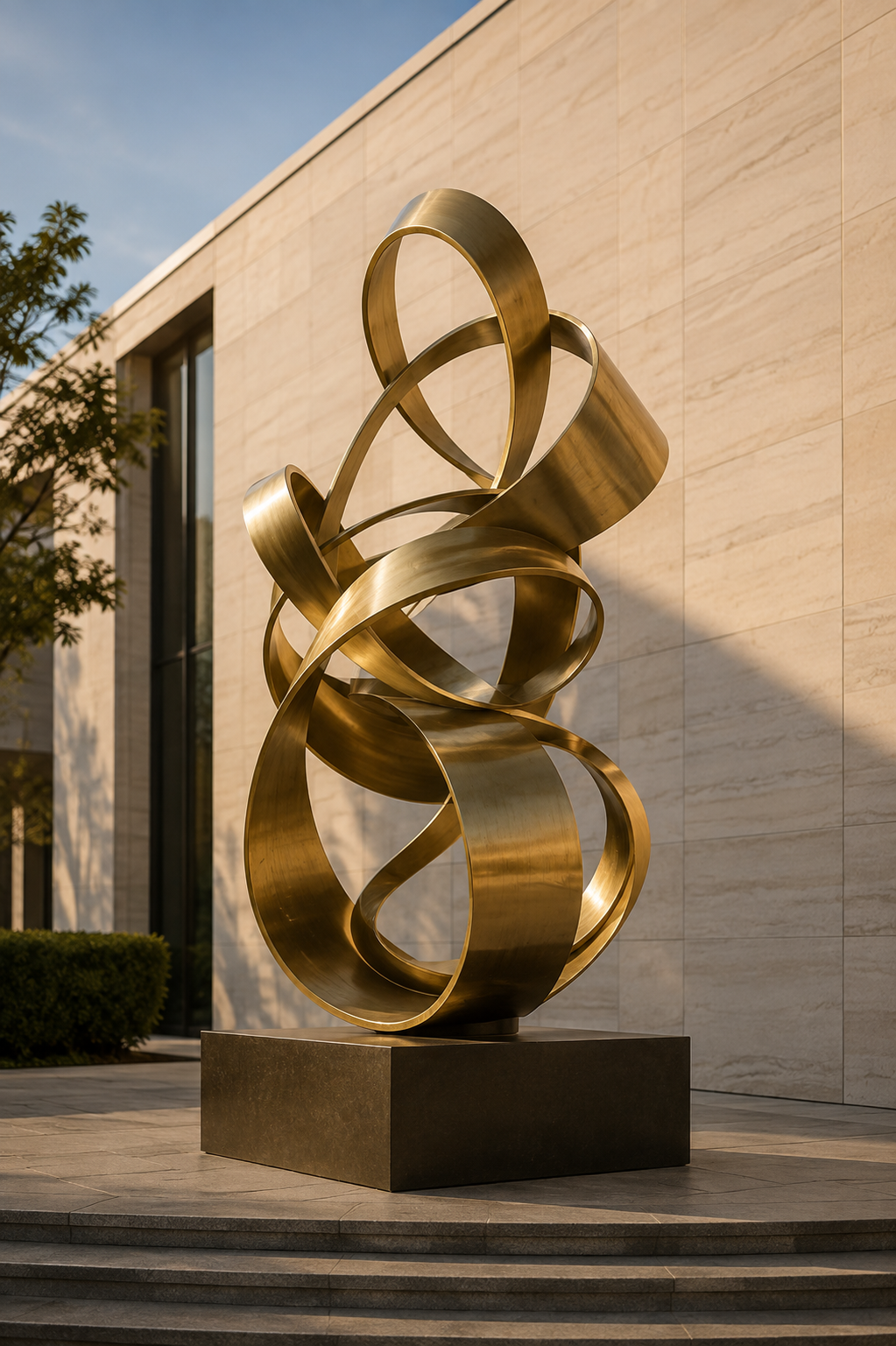
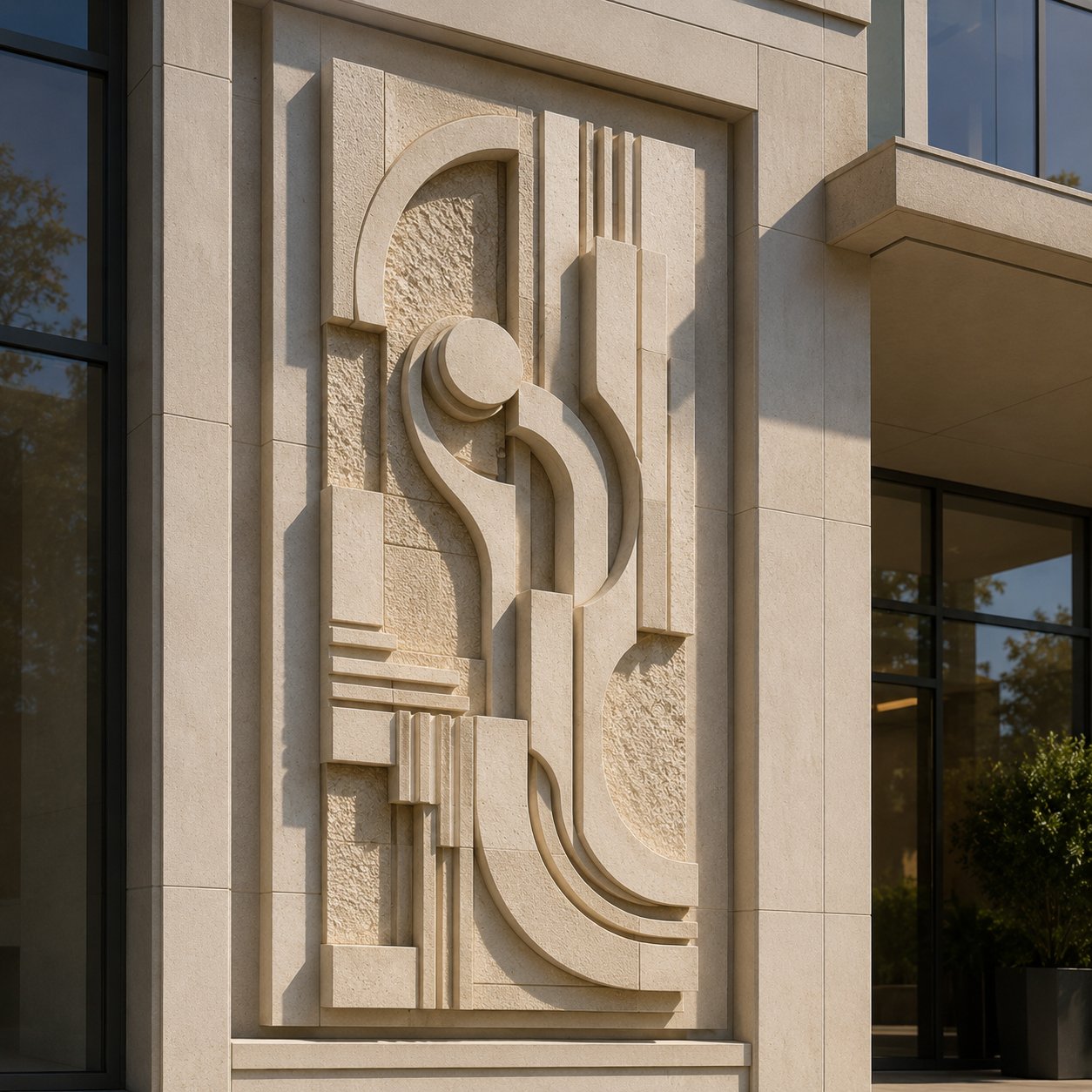
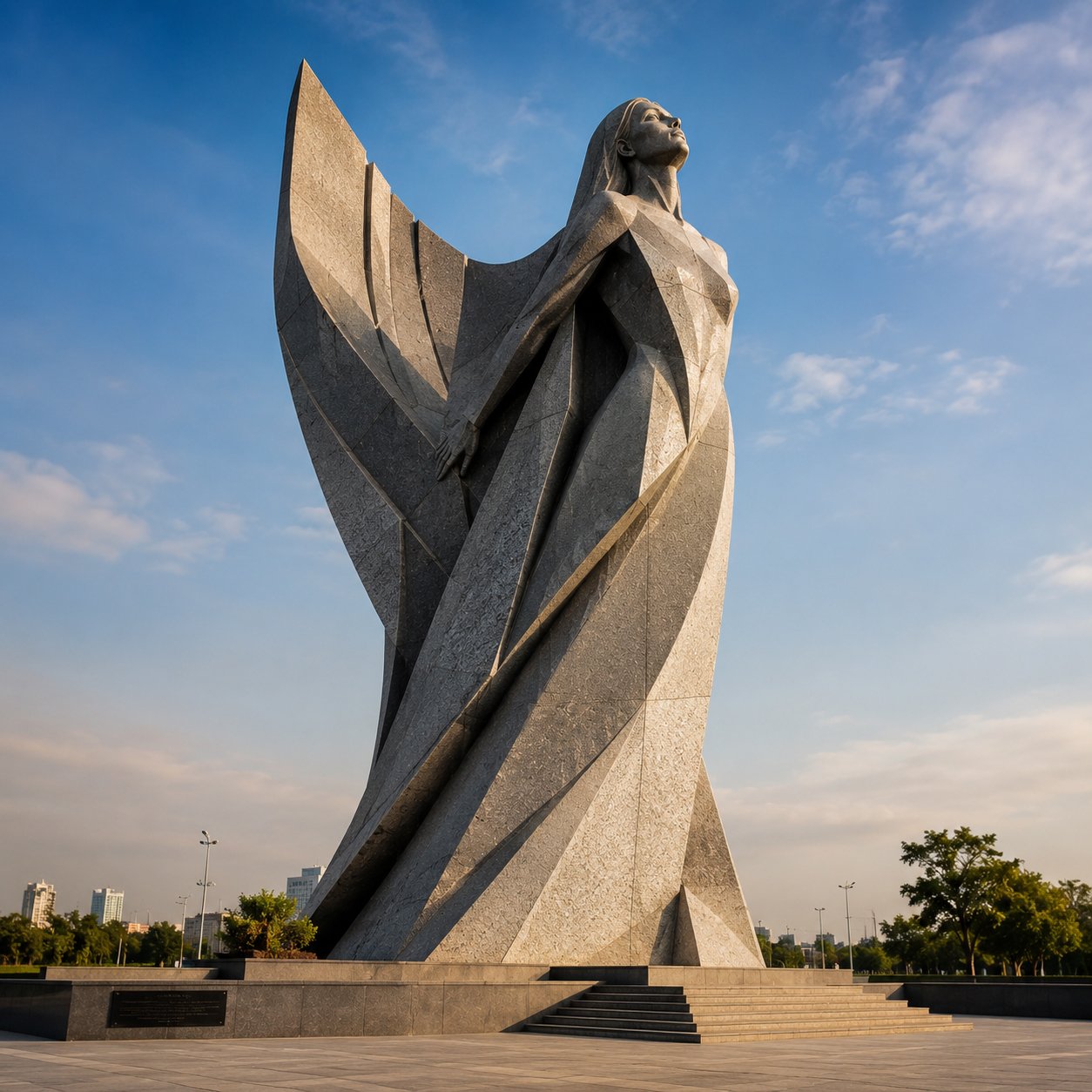
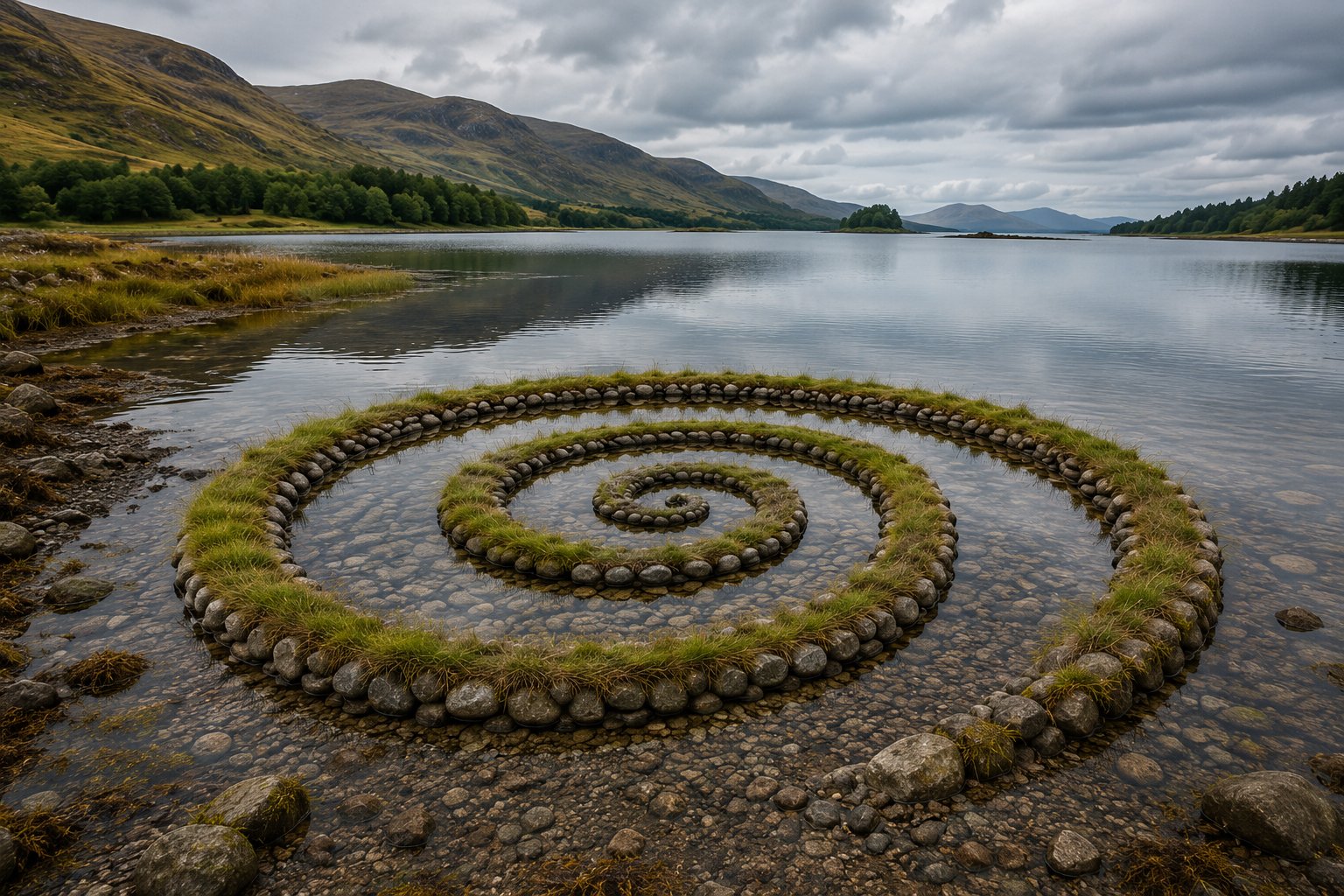
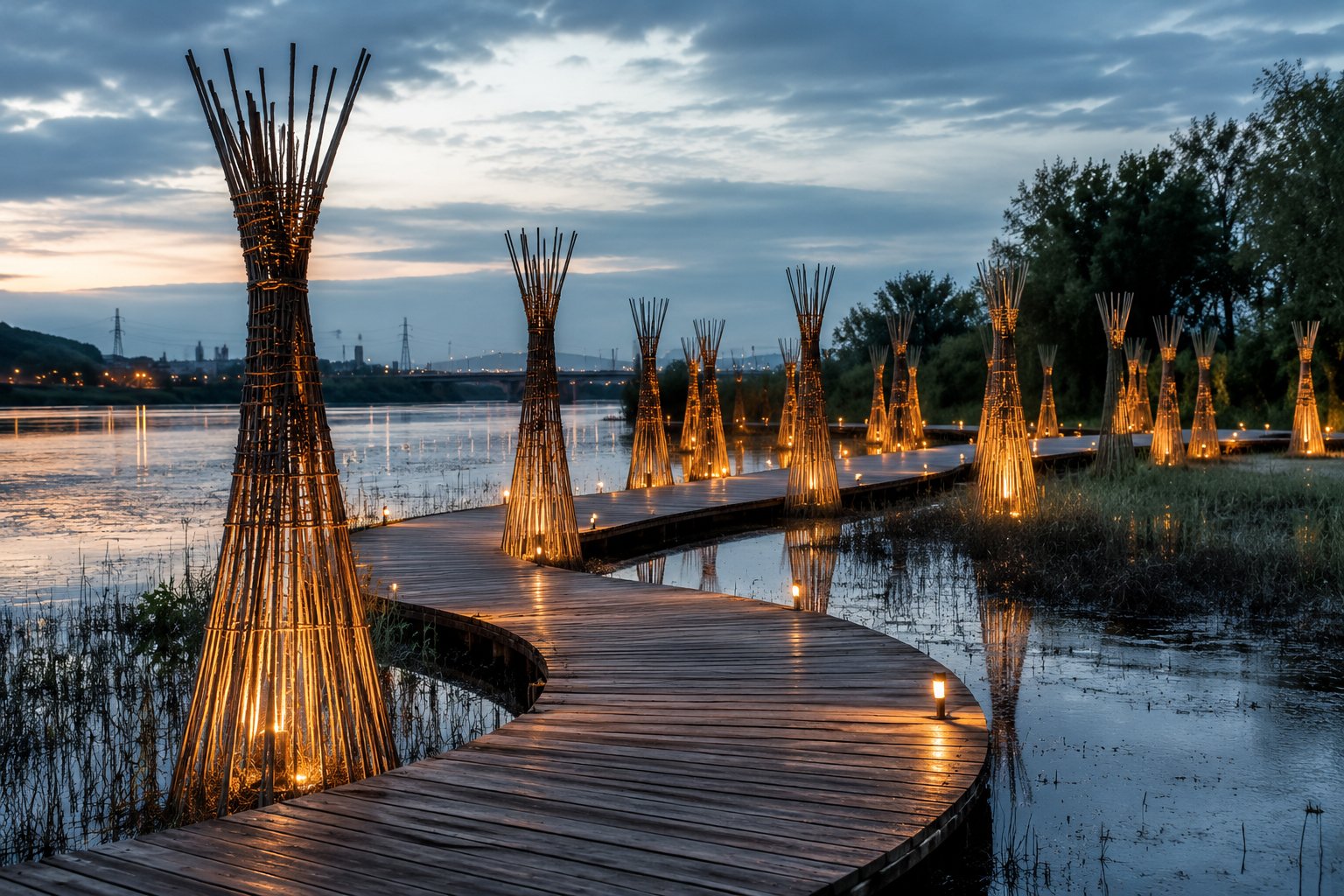
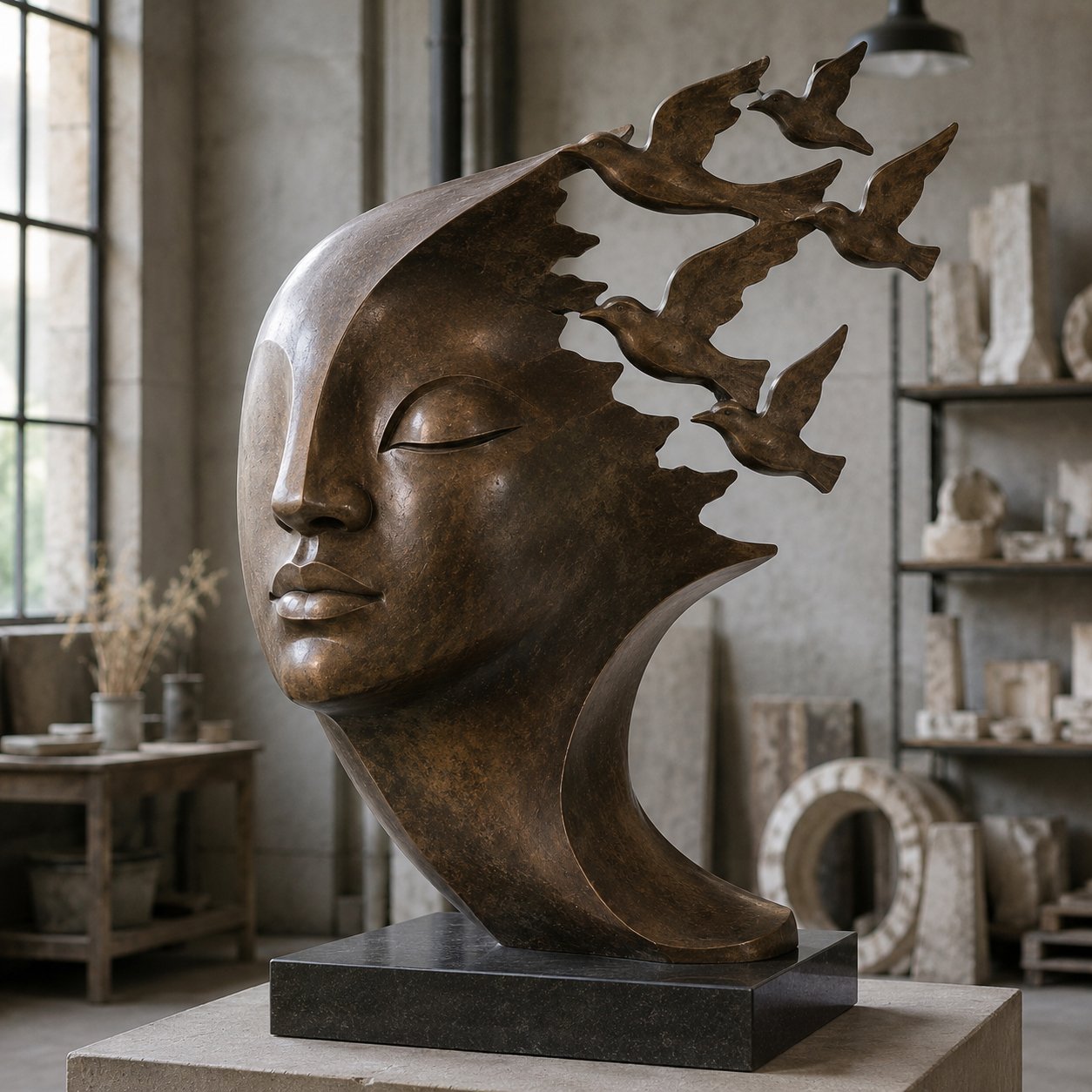
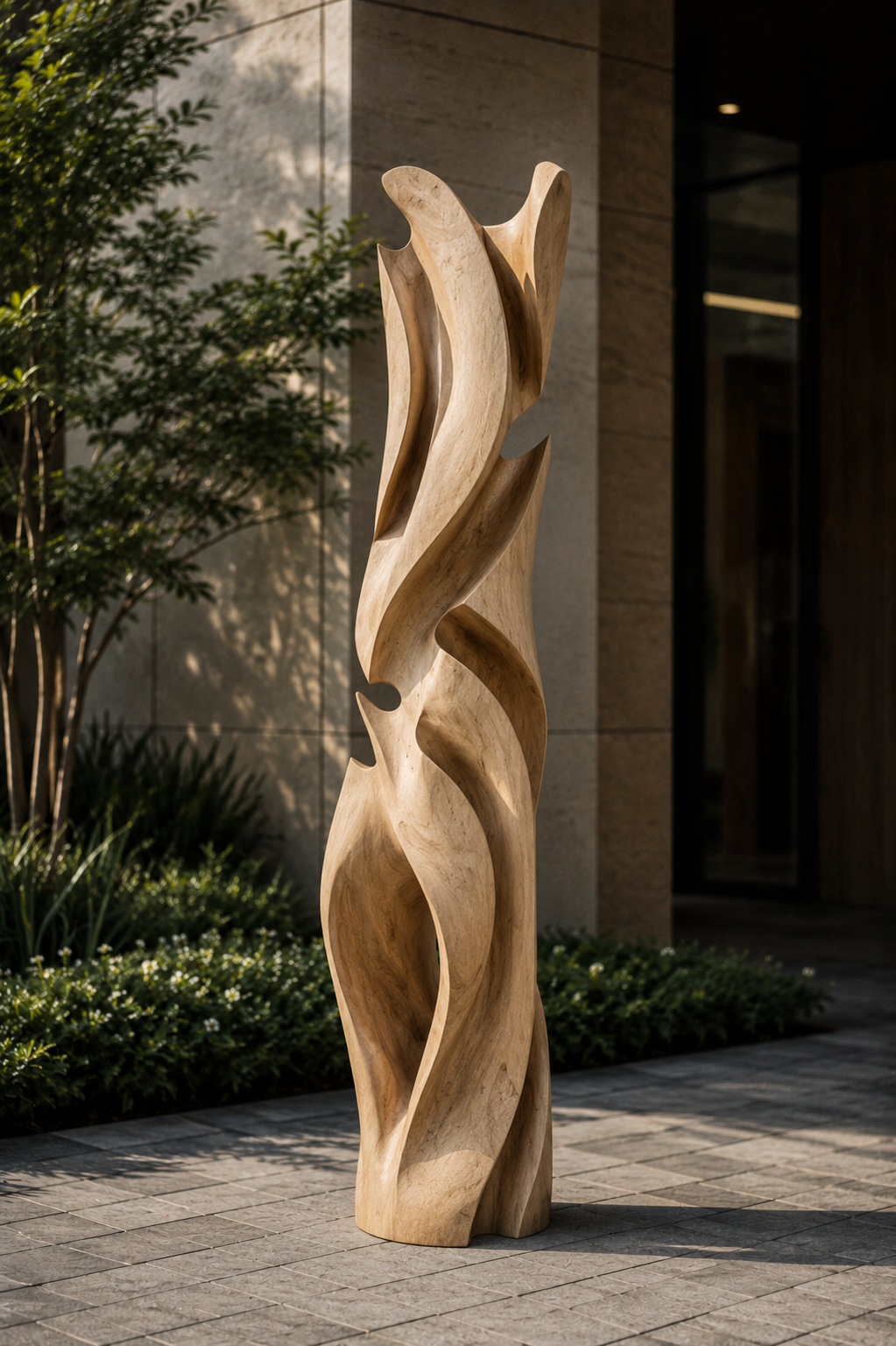
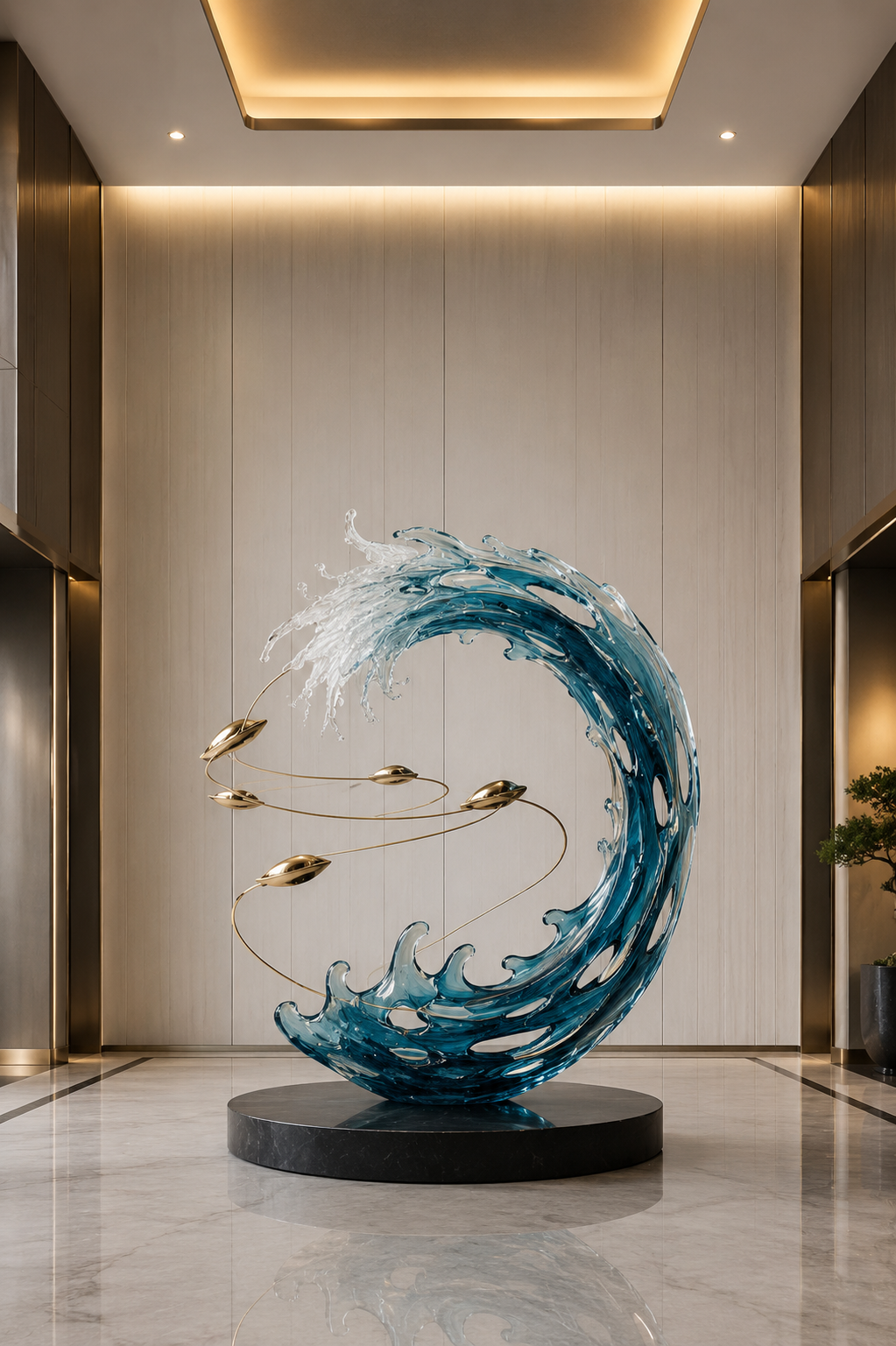
Sculptures communicate through diverse visual languages—ranging from realistic representations to expressive, conceptual forms. Each style is defined by its purpose, context, and visual impact:
- Figurative: Realistic representations of people, animals, or recognisable forms, focusing on detail and proportion.
- Abstract: Emphasises shapes, textures, and emotions rather than direct realism, creating interpretative visual experiences.
- Architectural: Integrated within structures such as columns, panels, or façades, enhancing built environments.
- Monumental: Large-scale public installations designed to create a strong visual presence and lasting impression.
- Environmental / Land Art: Created within natural surroundings using organic materials, blending art with the landscape.
- Installation Art: Site-specific, immersive works designed to transform and engage entire spaces.
Wall Murals
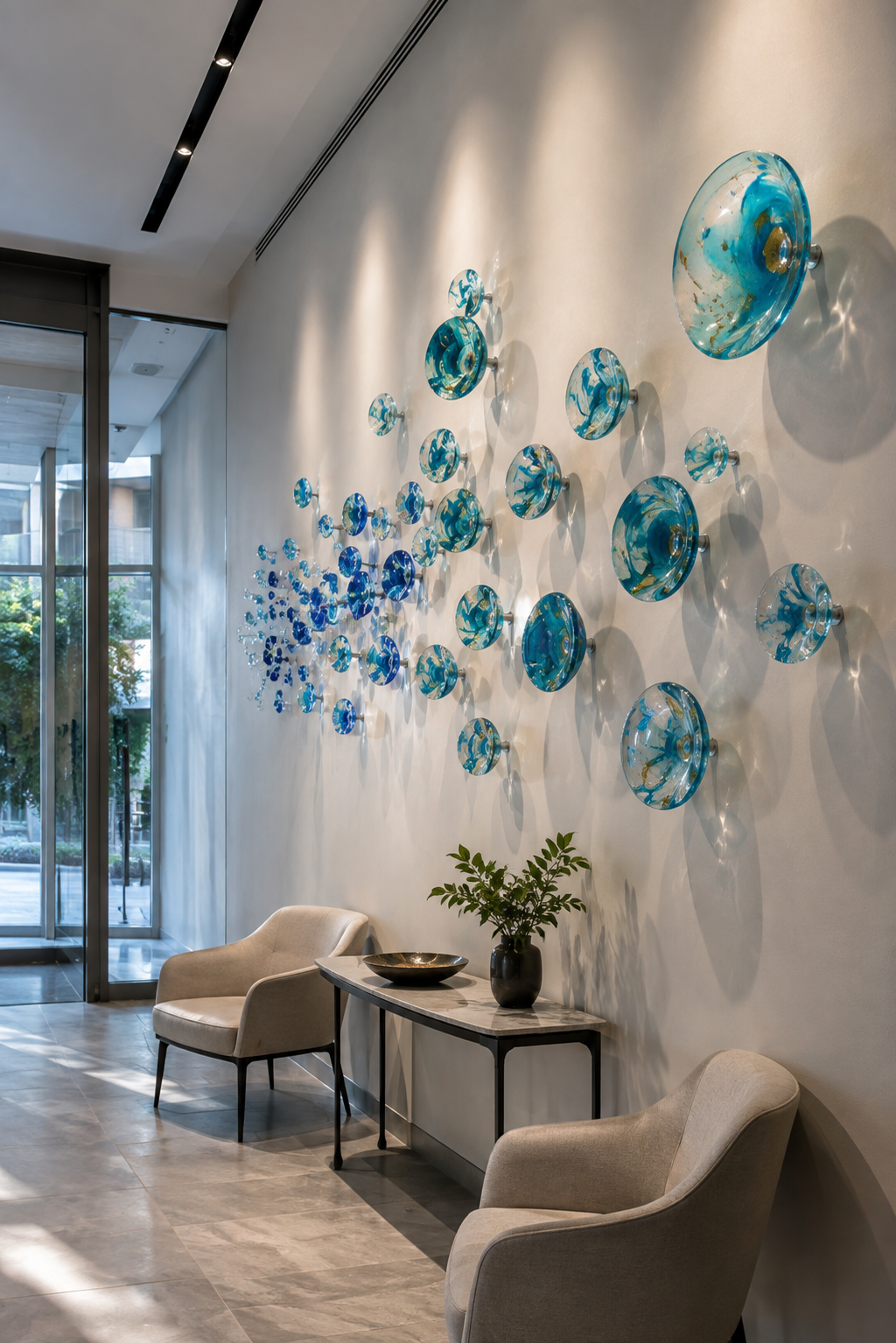
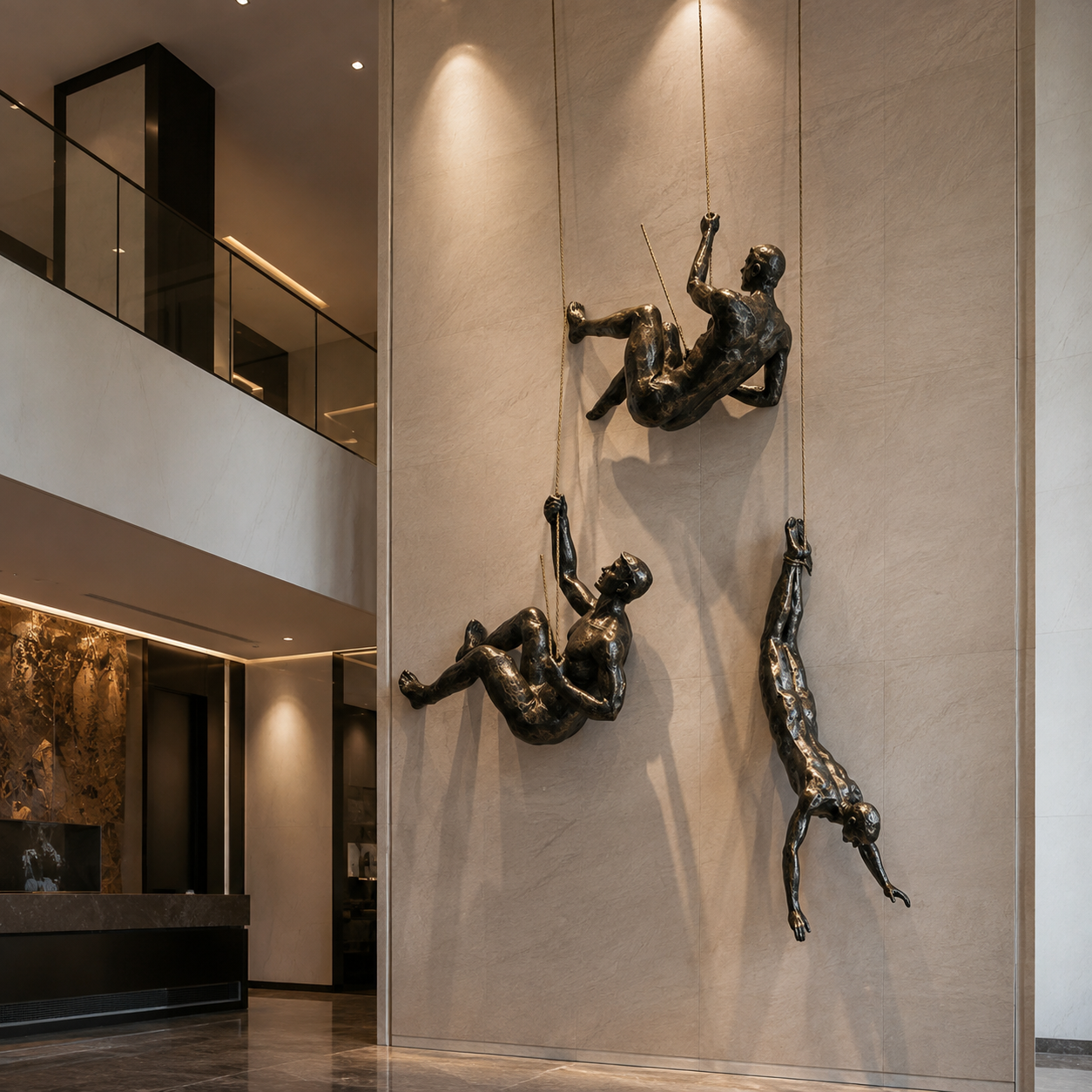
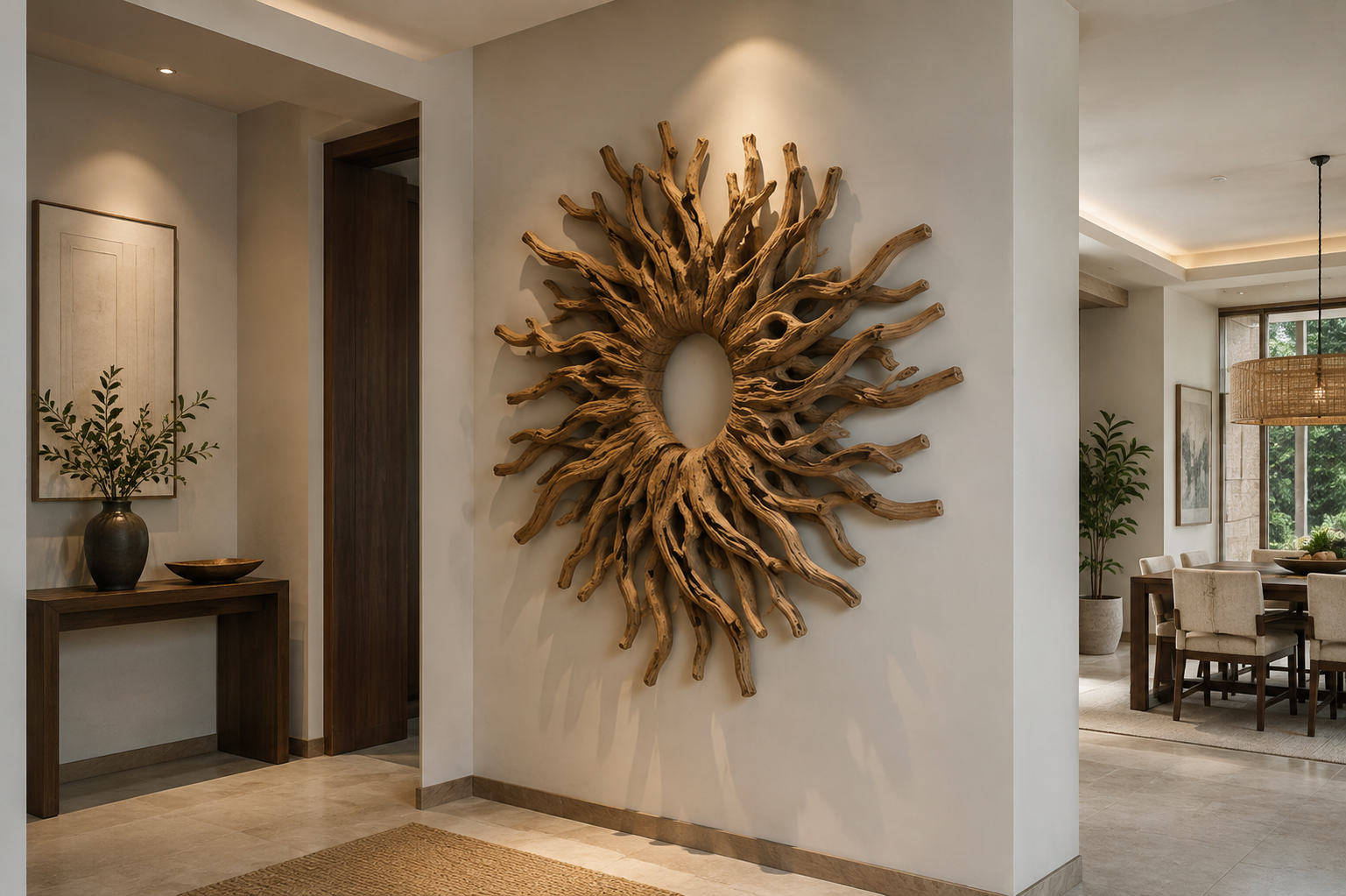
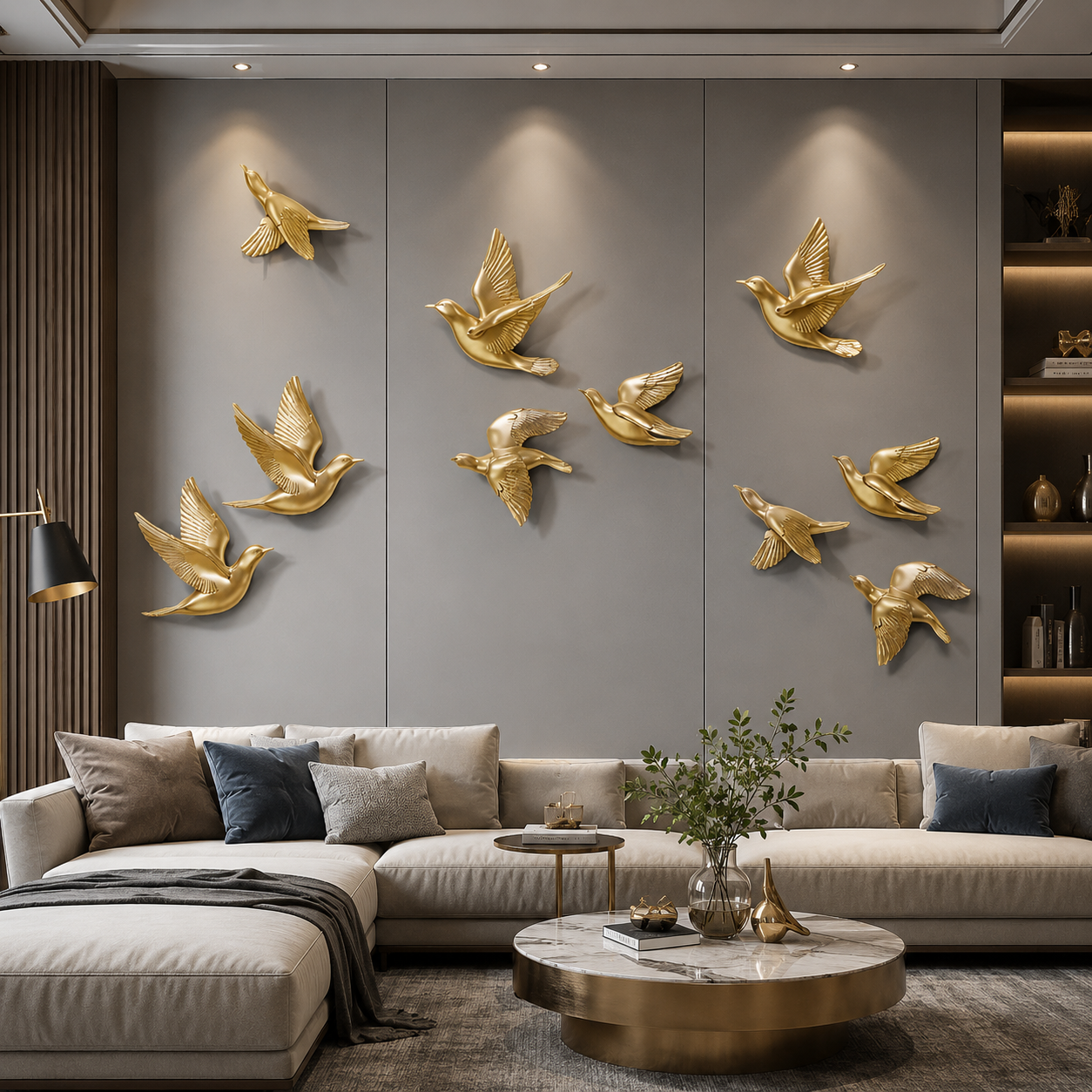
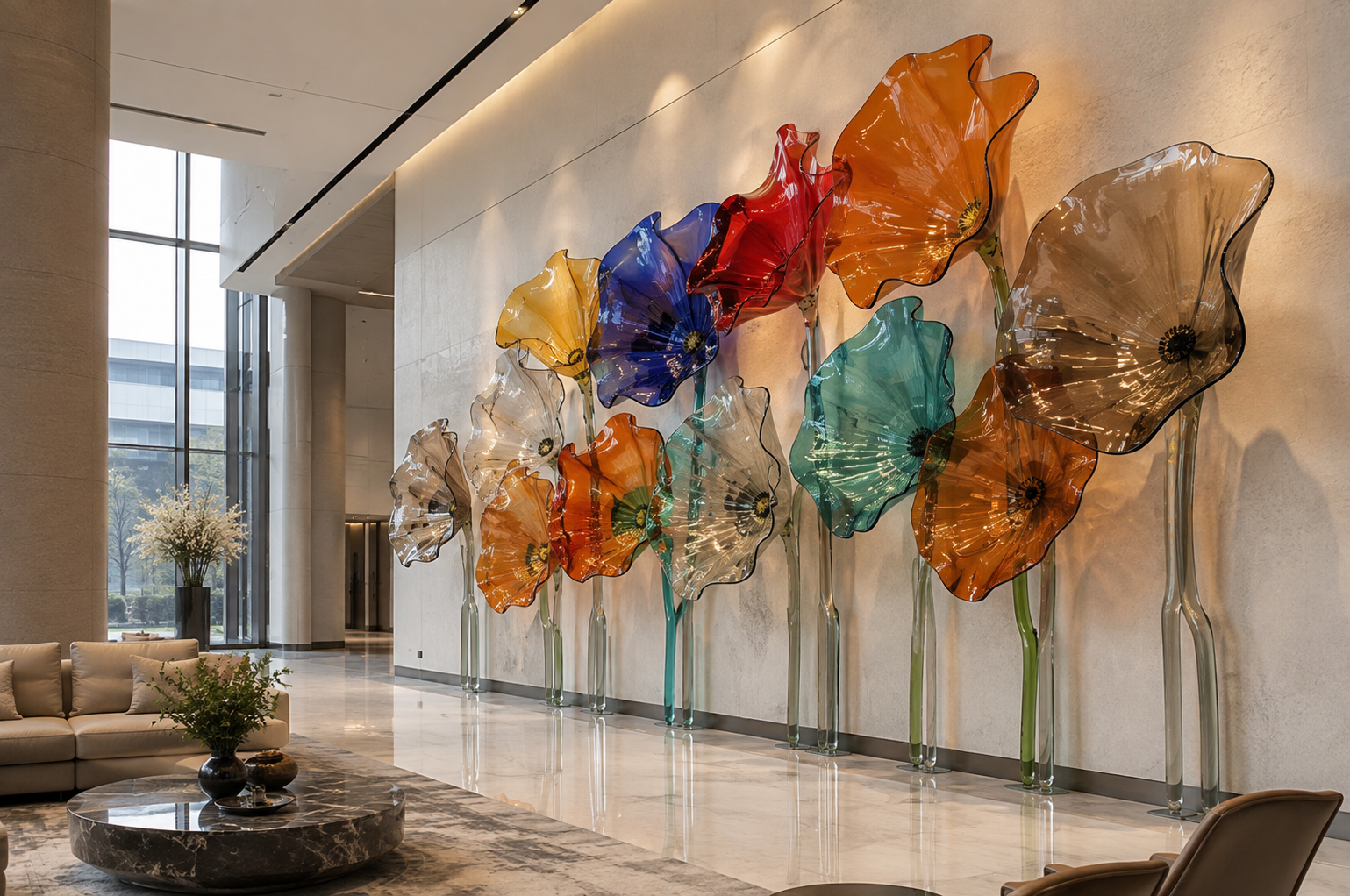
Every wall holds the potential to become more than a surface—it can become a distinctive visual experience that shapes how people perceive and connect with a space. Thoughtfully conceived murals transform ordinary interiors and exteriors into expressive environments, adding character, depth, and a strong sense of place.
From corporate offices, hospitality environments, retail spaces, and commercial establishments to public areas and architectural settings, each mural is developed around the unique context of the space. The design can reflect a brand story, cultural theme, artistic concept, or architectural language, ensuring the final outcome feels integrated rather than decorative.
A successful mural balances creative expression with careful execution. Consideration is given to scale, proportions, colours, materials, viewing distance, lighting, and surrounding architectural elements to create a cohesive visual impact.
Whether subtle and sophisticated or bold and immersive, murals can define focal points, energise large surfaces, and make spaces more memorable. By combining artistic thinking with execution precision, each creation becomes a lasting visual feature that engages audiences, strengthens spatial identity, and adds meaningful value to the environment.